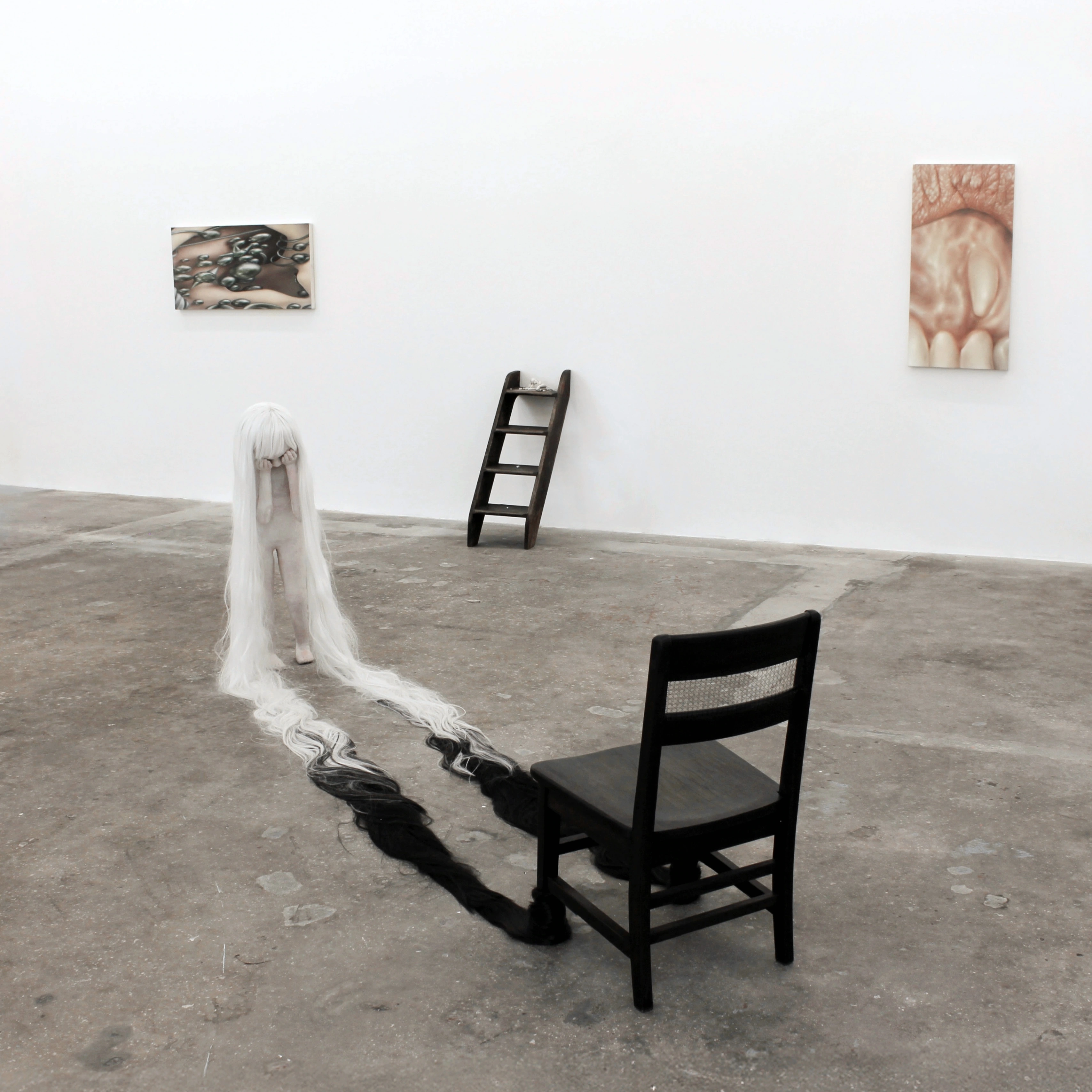
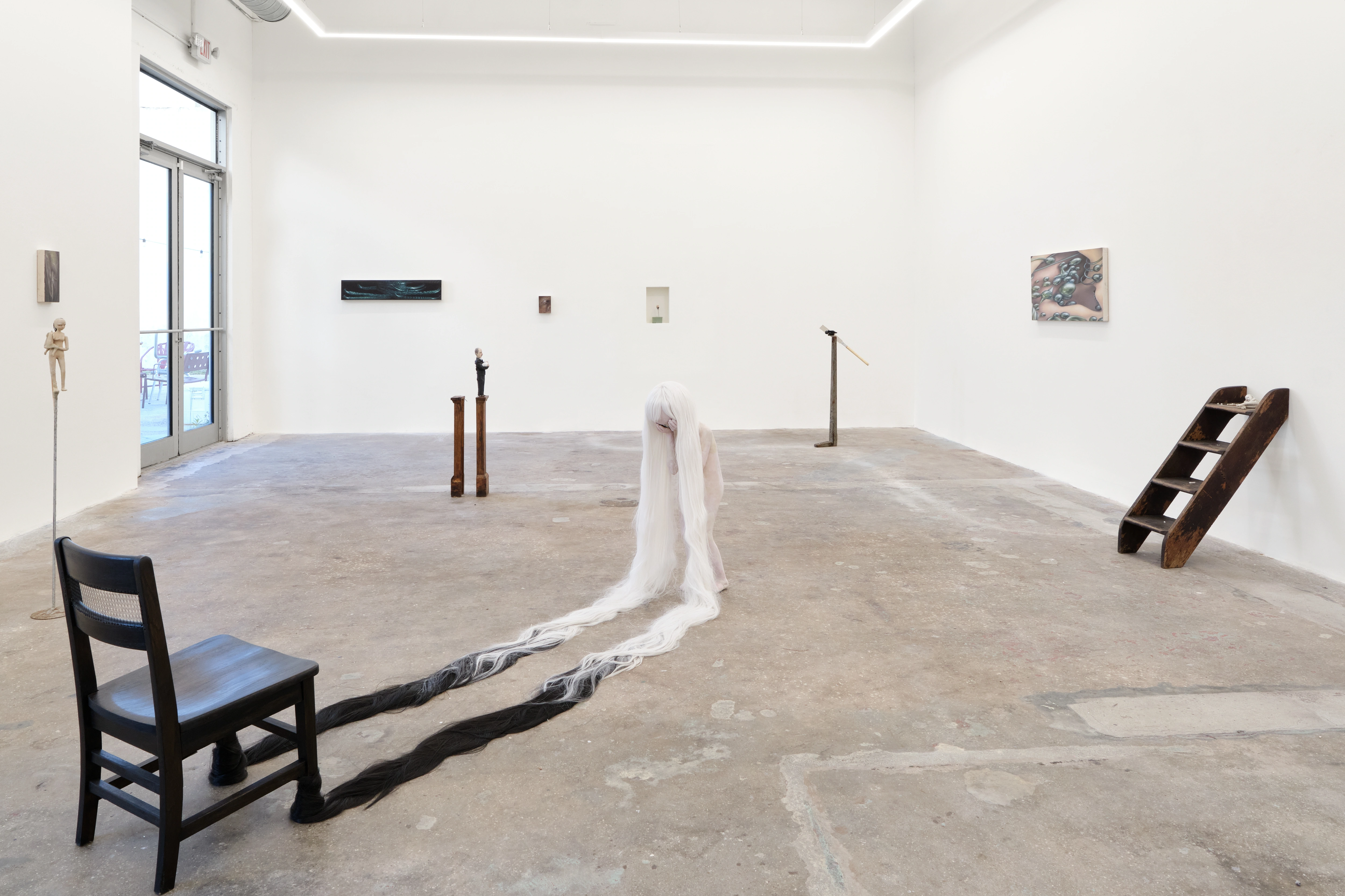
Didier Anzieu called it the common skin fantasy: an infant held skin to skin through daily care feels no border between its body and its mother’s. Alicia Bilbao and Alejandra Moros, showing together for the first time at KDR in Miami, build a room on that belief and on the moment it gives way.
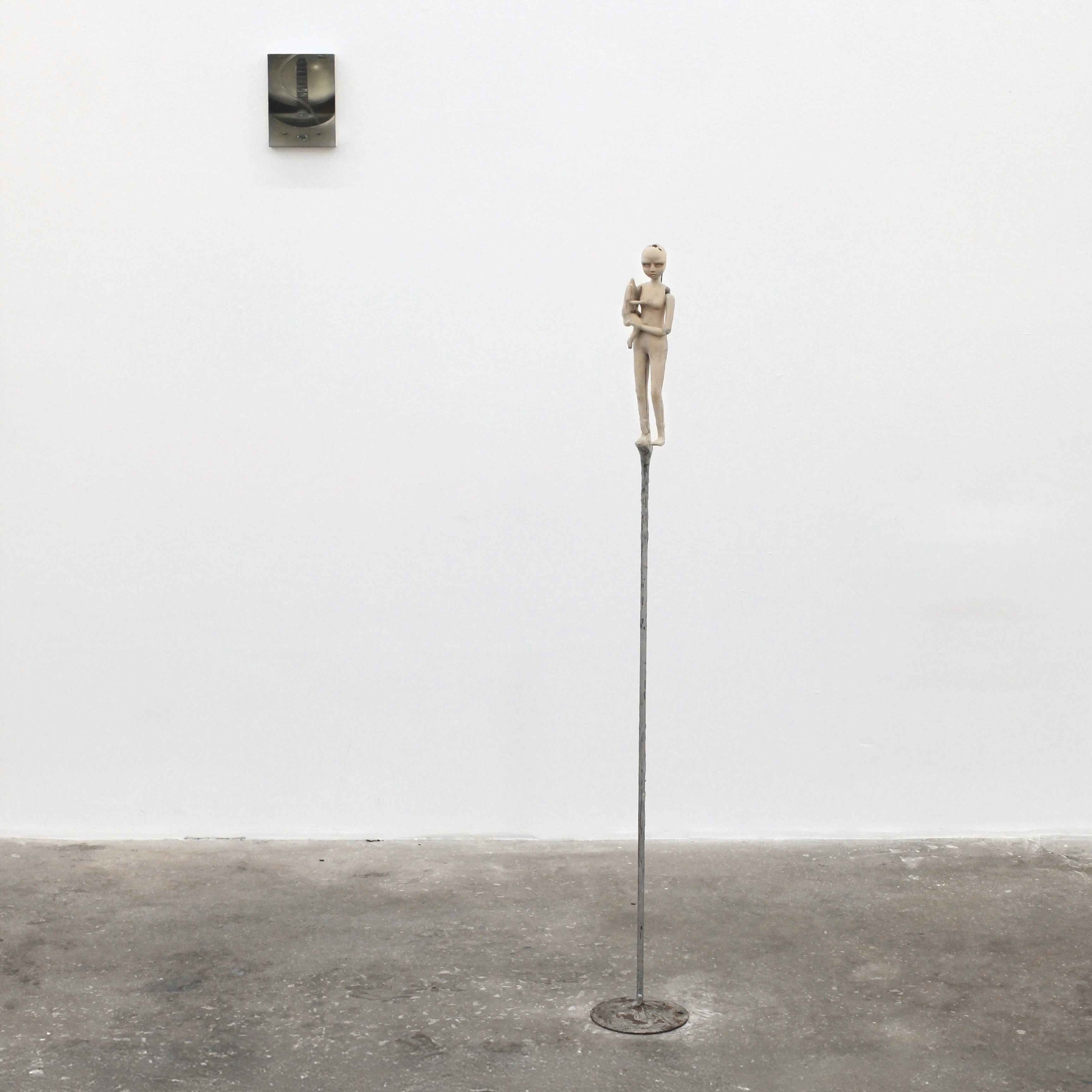
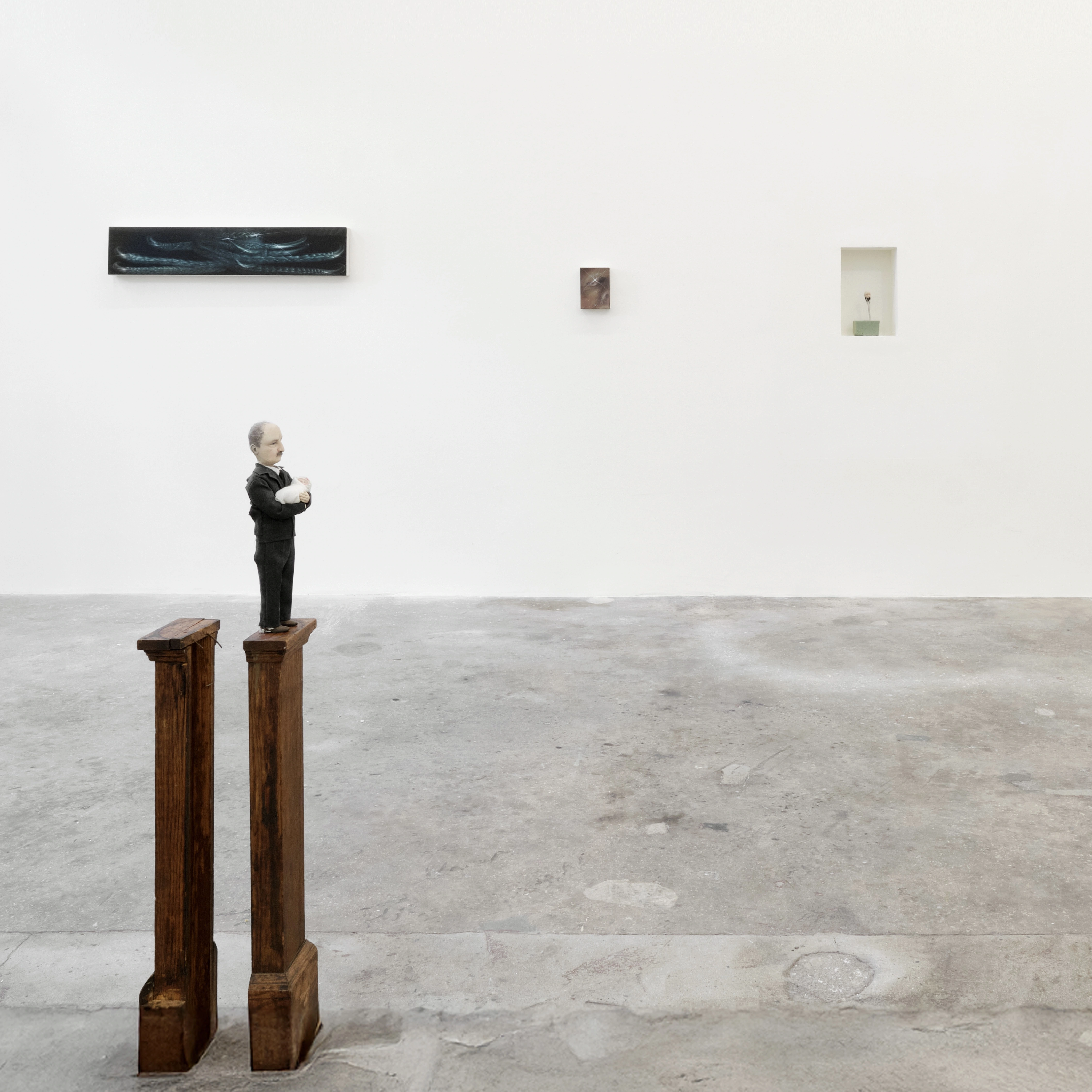
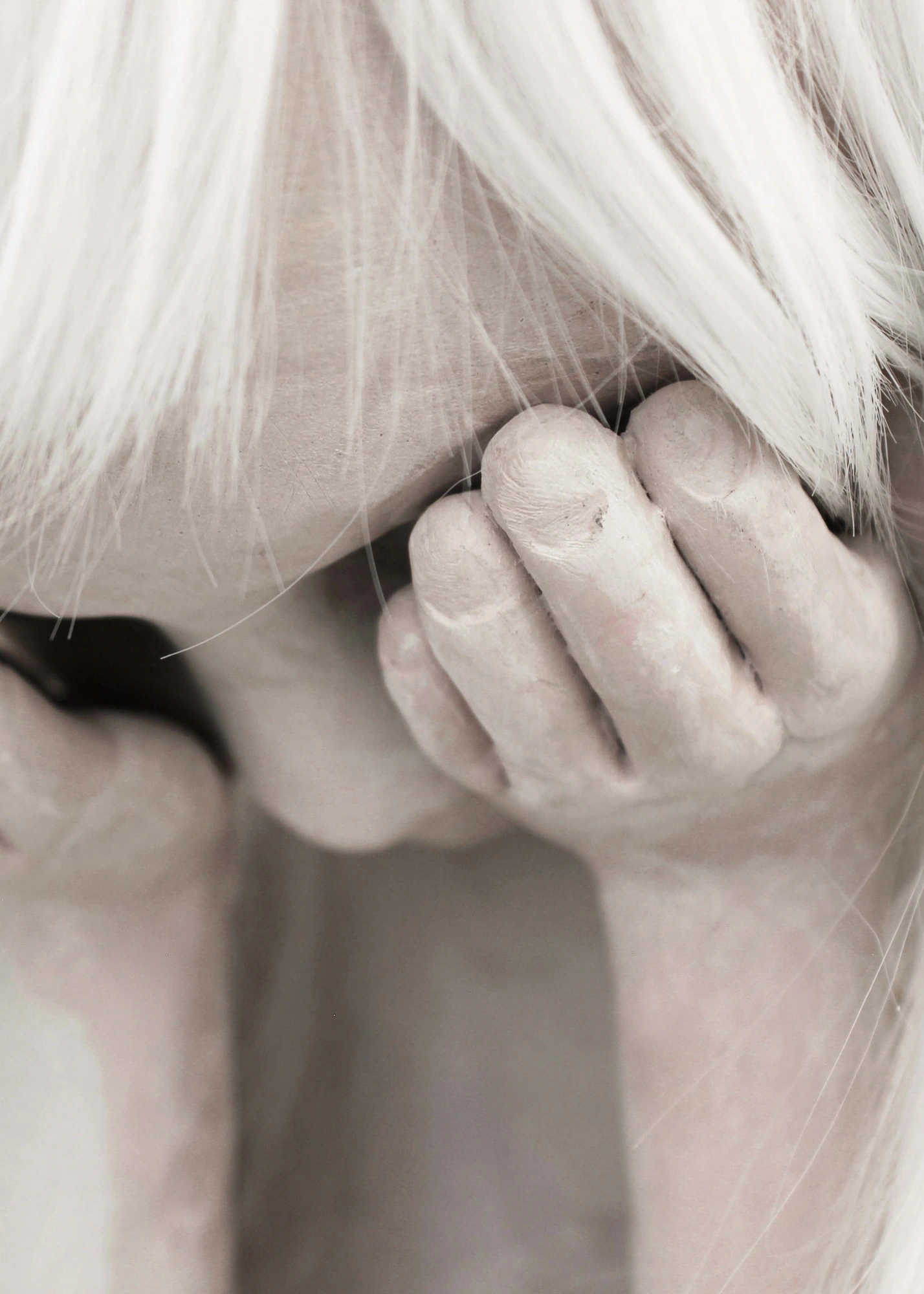
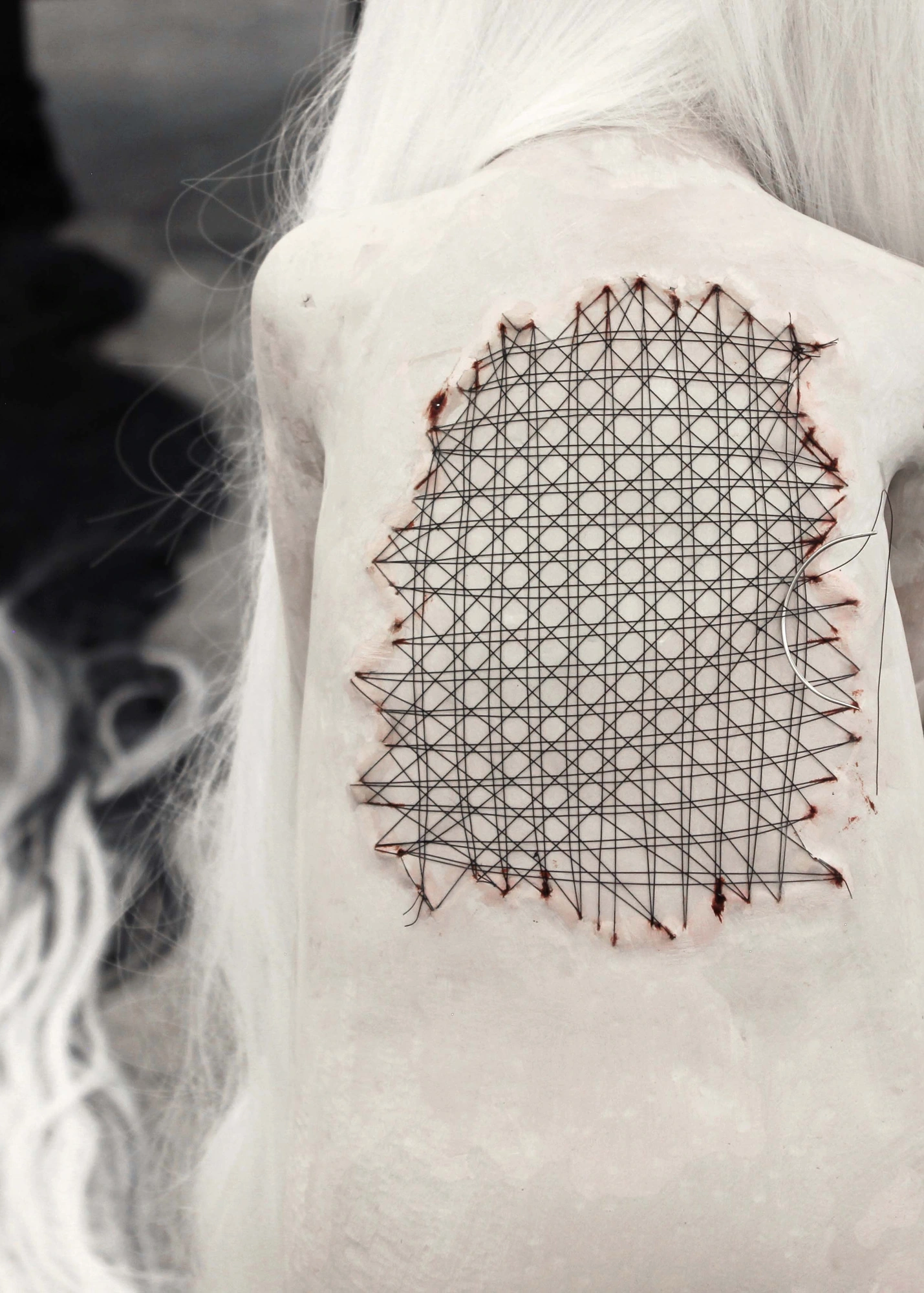
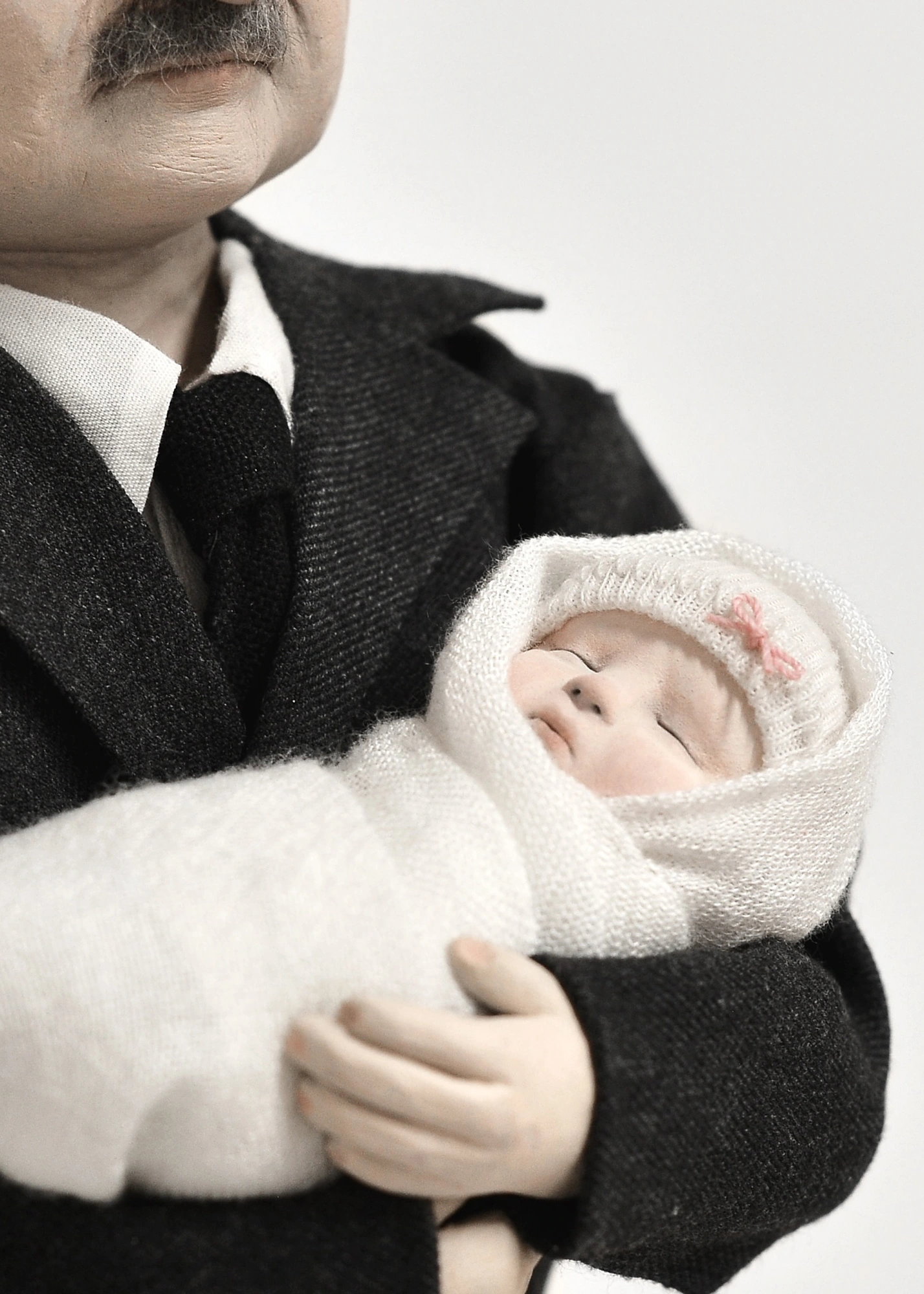
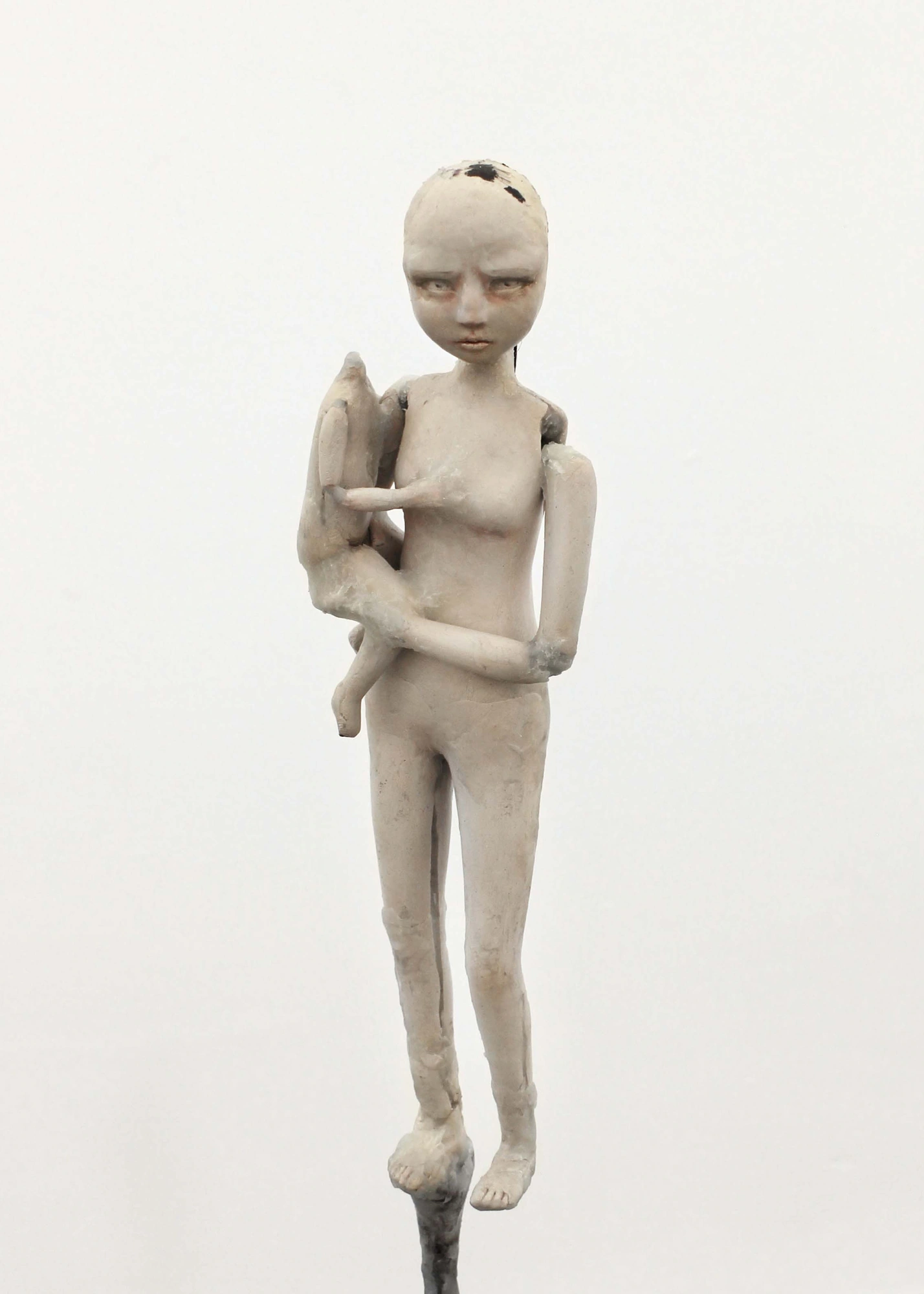
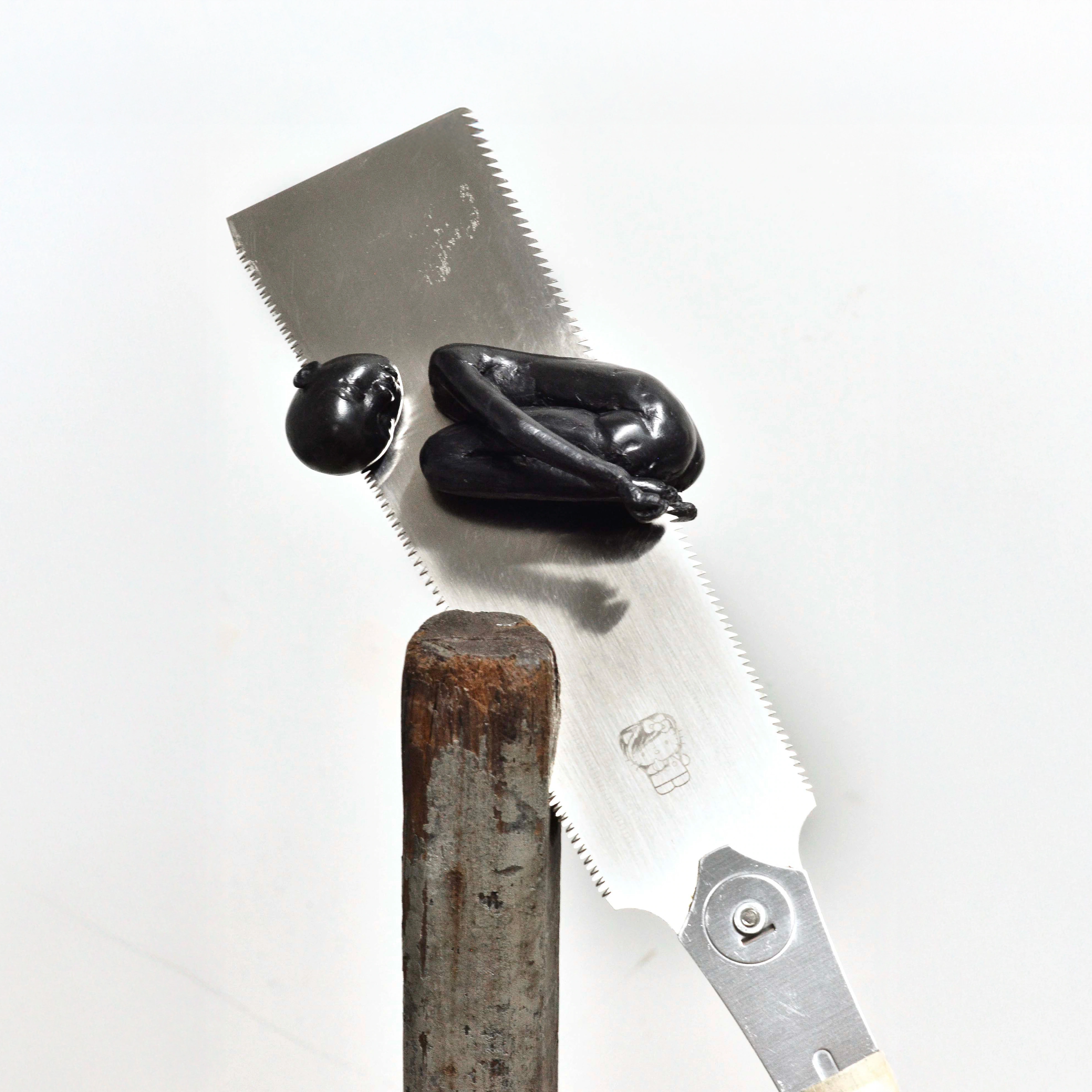
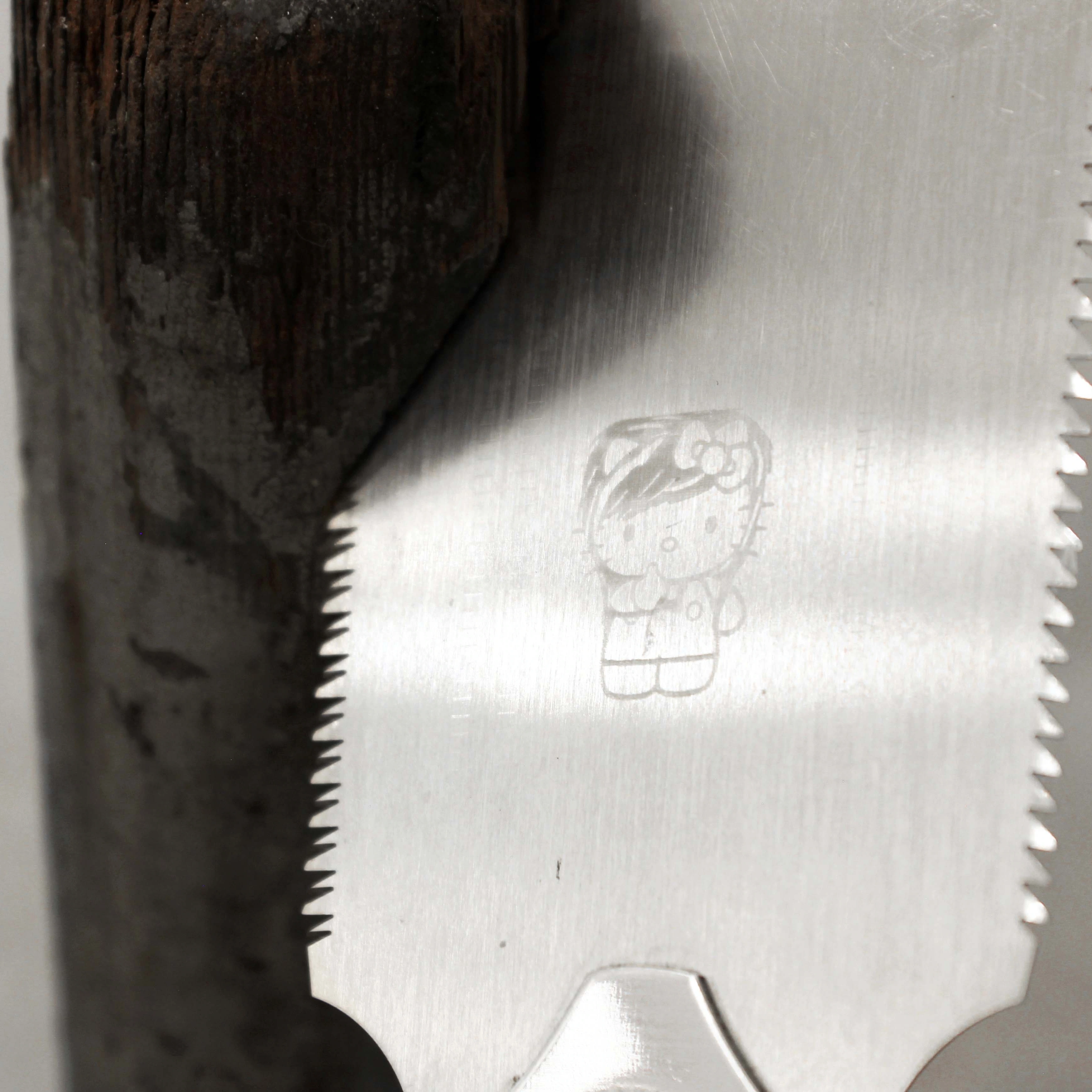
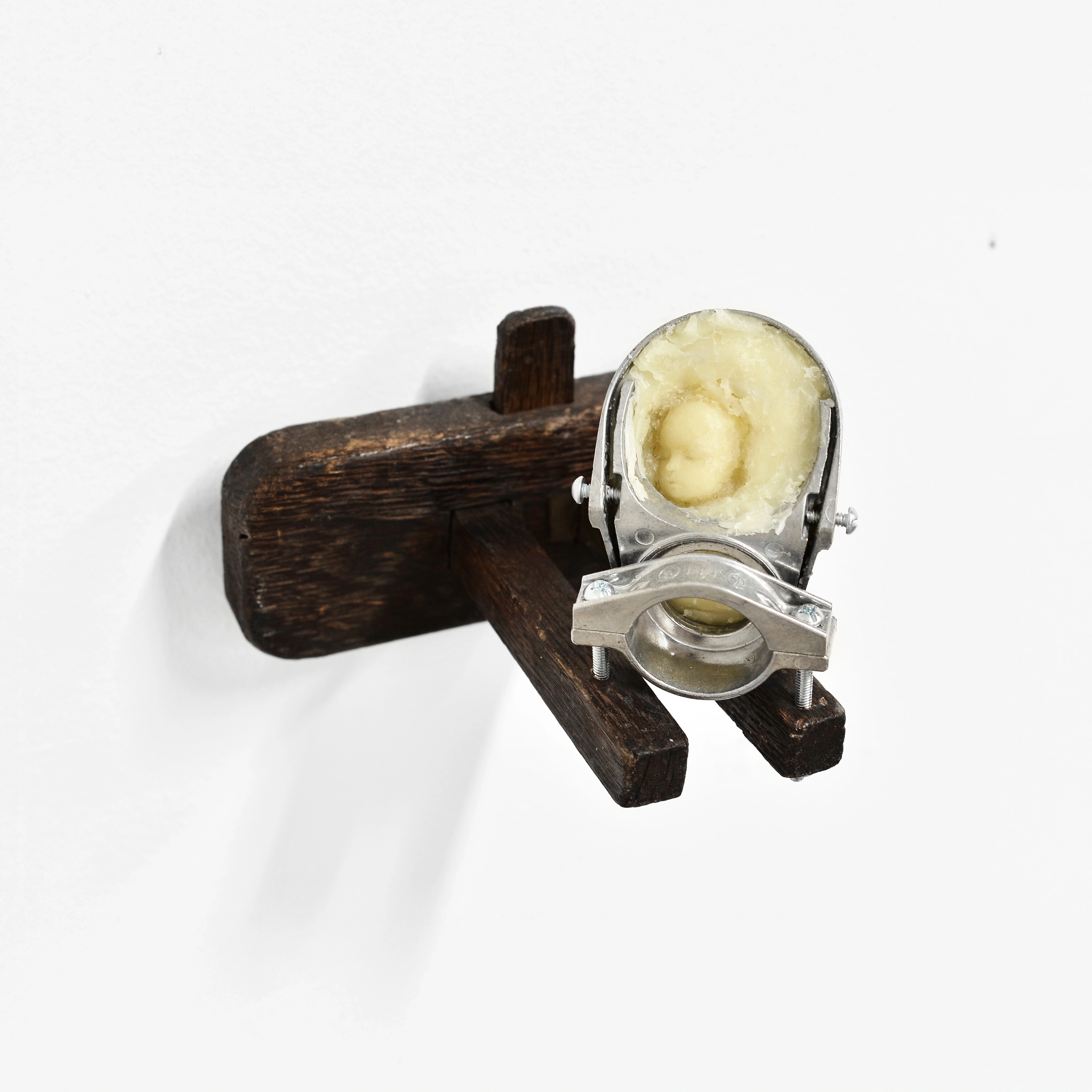
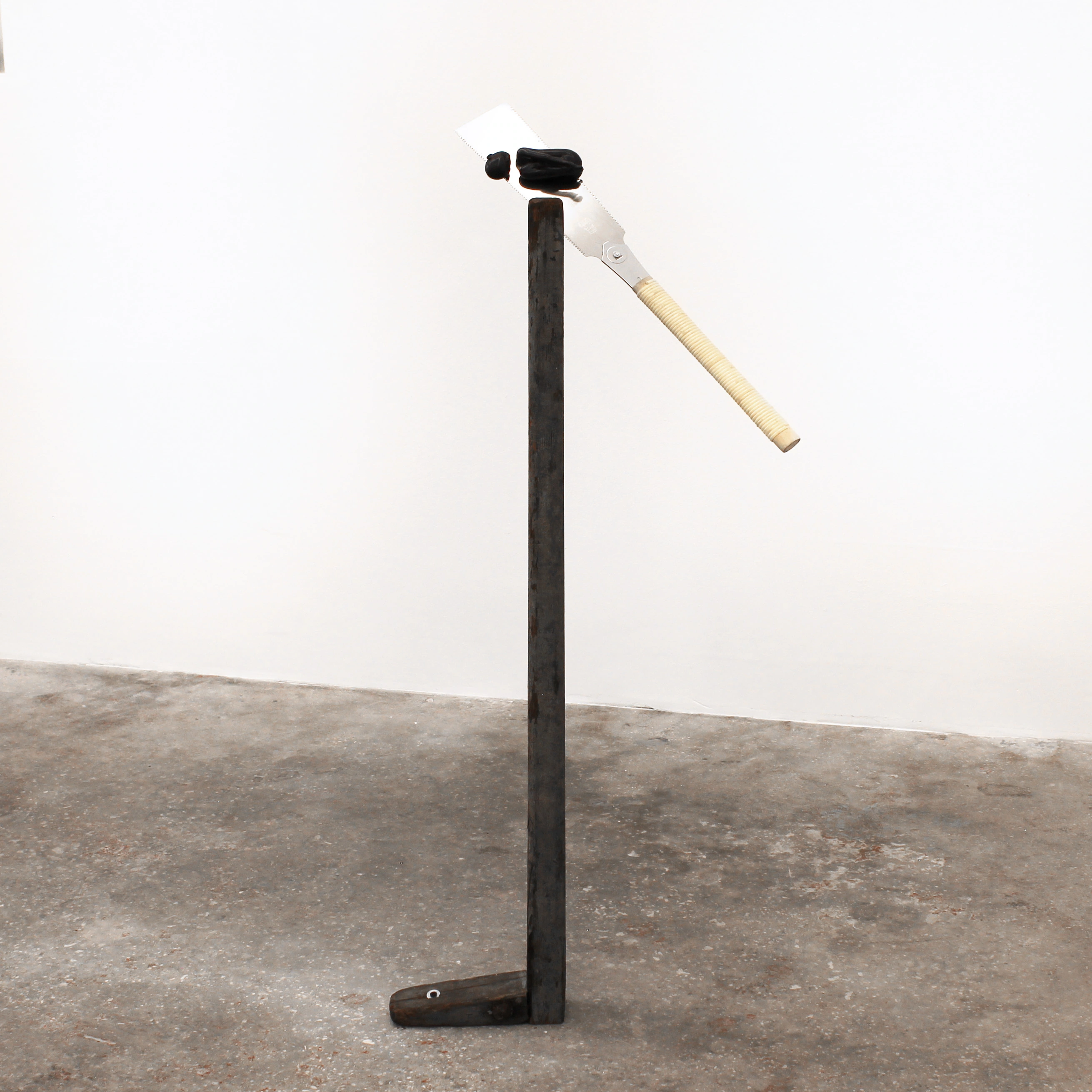
Dog hair and resin. A surgical needle, nylon thread. Bones, beeswax, a nokogiri saw, tufts of the sculptor’s own hair. The material lists read like the inventory of a reliquary kept by a field surgeon. Nothing in the room is quite a body. Much of it was grown by one.
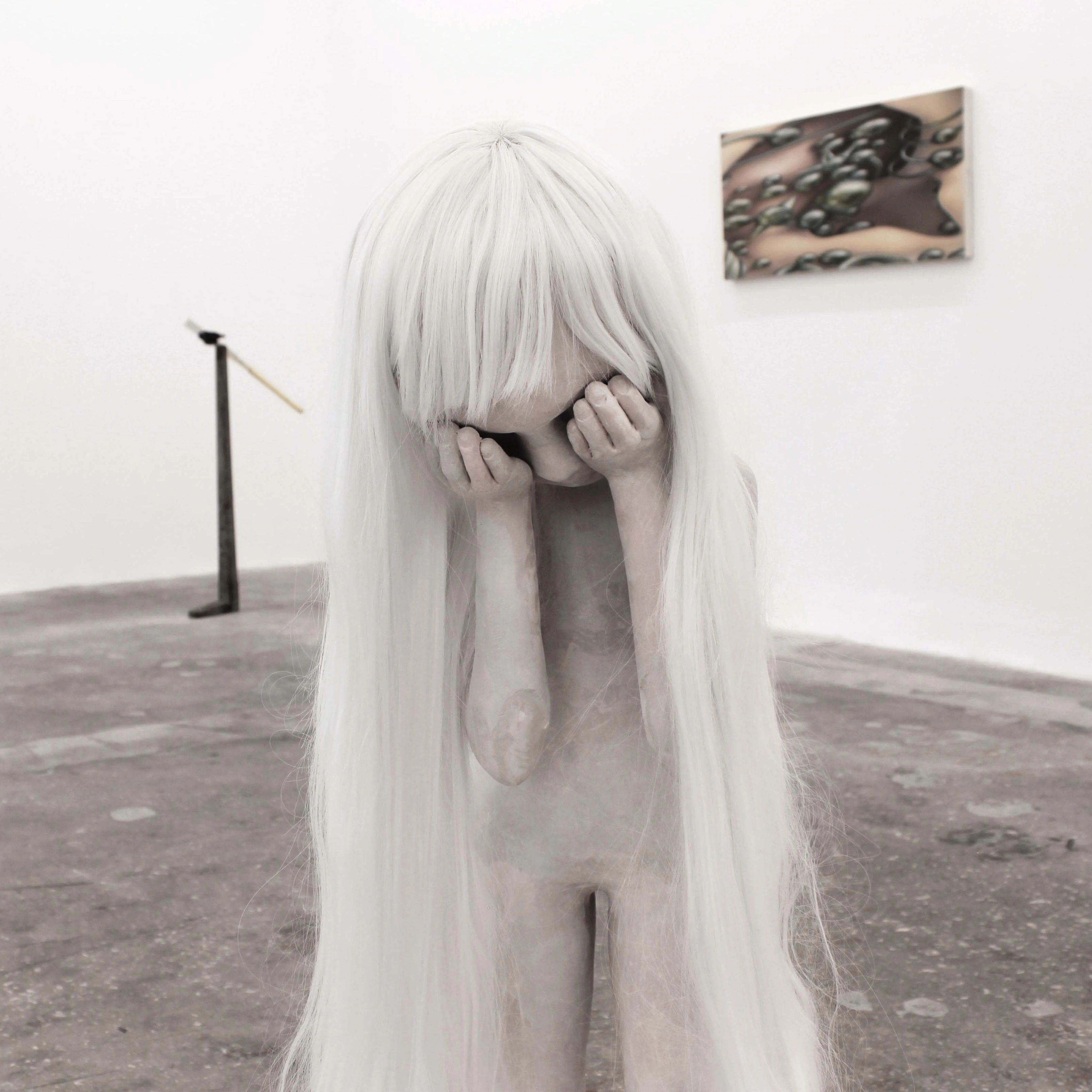
Bilbao was born in Heidelberg, Germany, moved to Miami as a teenager and works as a scientific laboratory researcher by day. Her figures keep something of the specimen: small faces, fragmented bodies, epoxy clay and resin joined to animal pelts. She brought Anzieu to their first conversation about the show; his phrase became its title. Moros credits her with another that runs under everything here: “a failure of the skin to act as an envelope”. In The Skin Ego the skin is exactly that, an envelope that lets a psyche hold itself together. Bilbao builds at the point where it leaks.
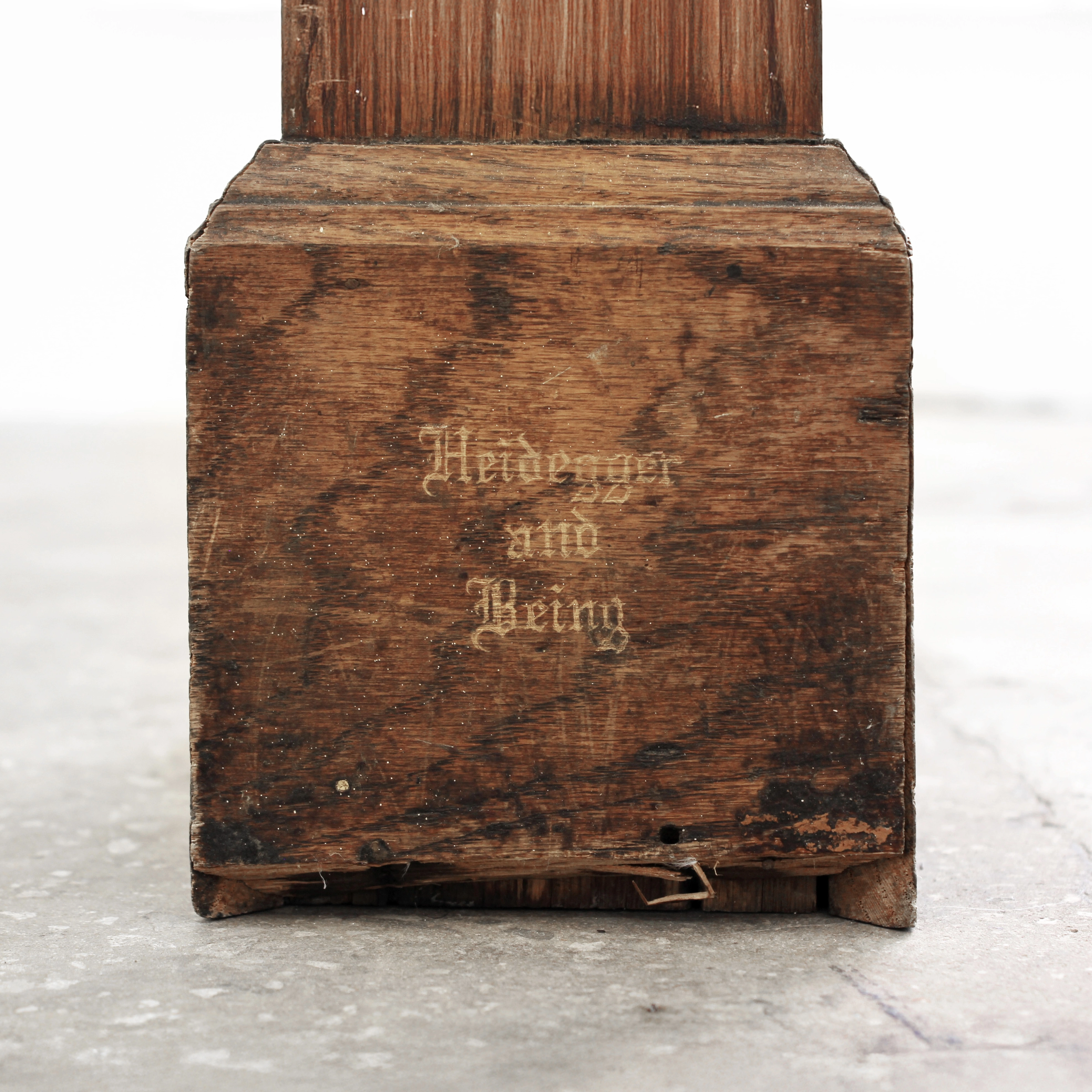
Set side by side, her titles spell out the undoing: Weaning, Orphaned Objecthood, A Roman Doll Burial, Executioner, Echo. Weaning is Anzieu’s rupture called by its name. Objecthood is Michael Fried’s word, from the 1967 polemic that charged minimalist sculpture with being incomplete without a beholder; Bilbao’s orphan has lost whoever was meant to complete it, and its materials include a surgical needle and nylon thread, the kit for closing a wound. Heidegger and Being drops the Time from the philosopher’s best-known book, and a skin untouched by time is precisely what the fantasy promises.
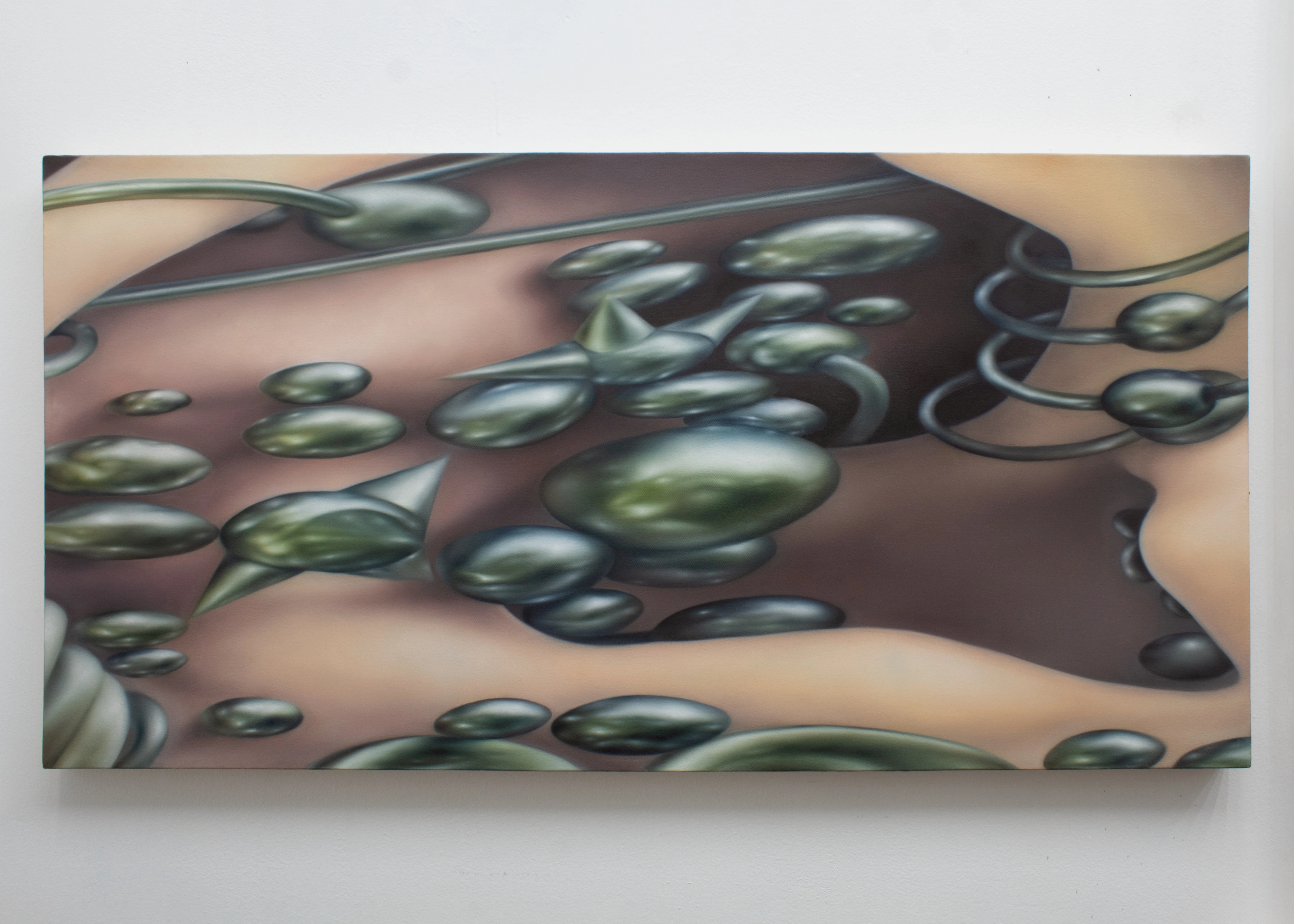
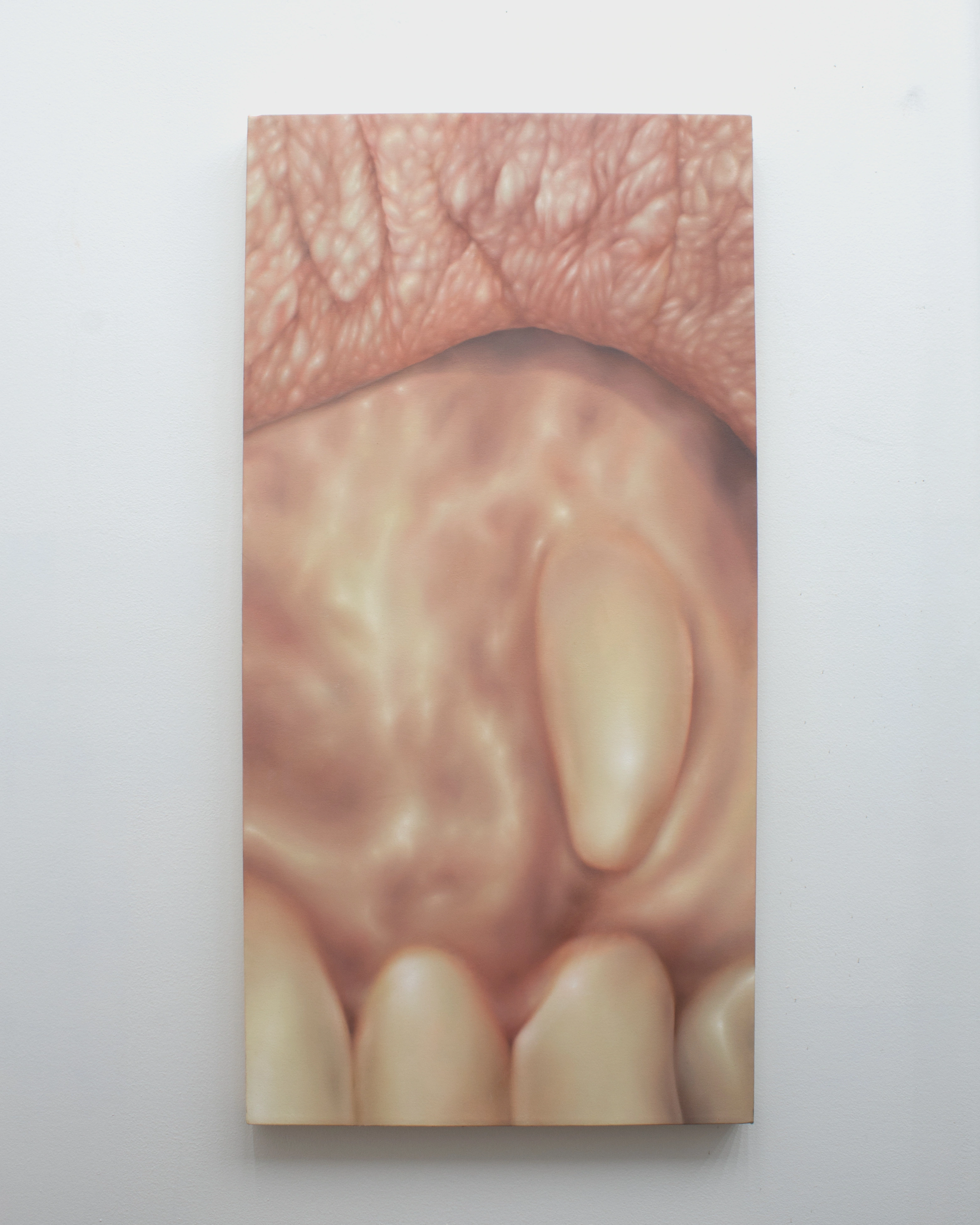
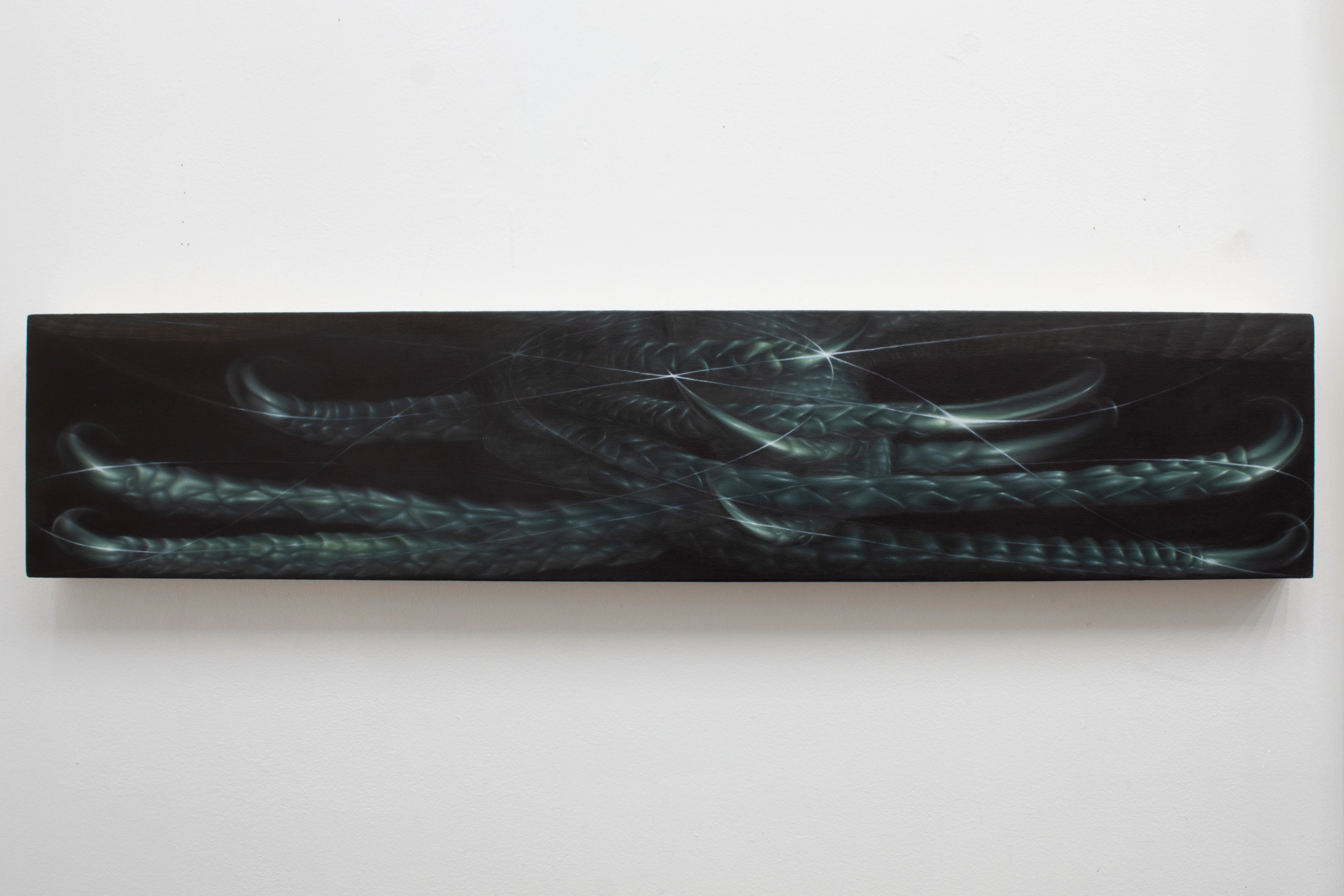
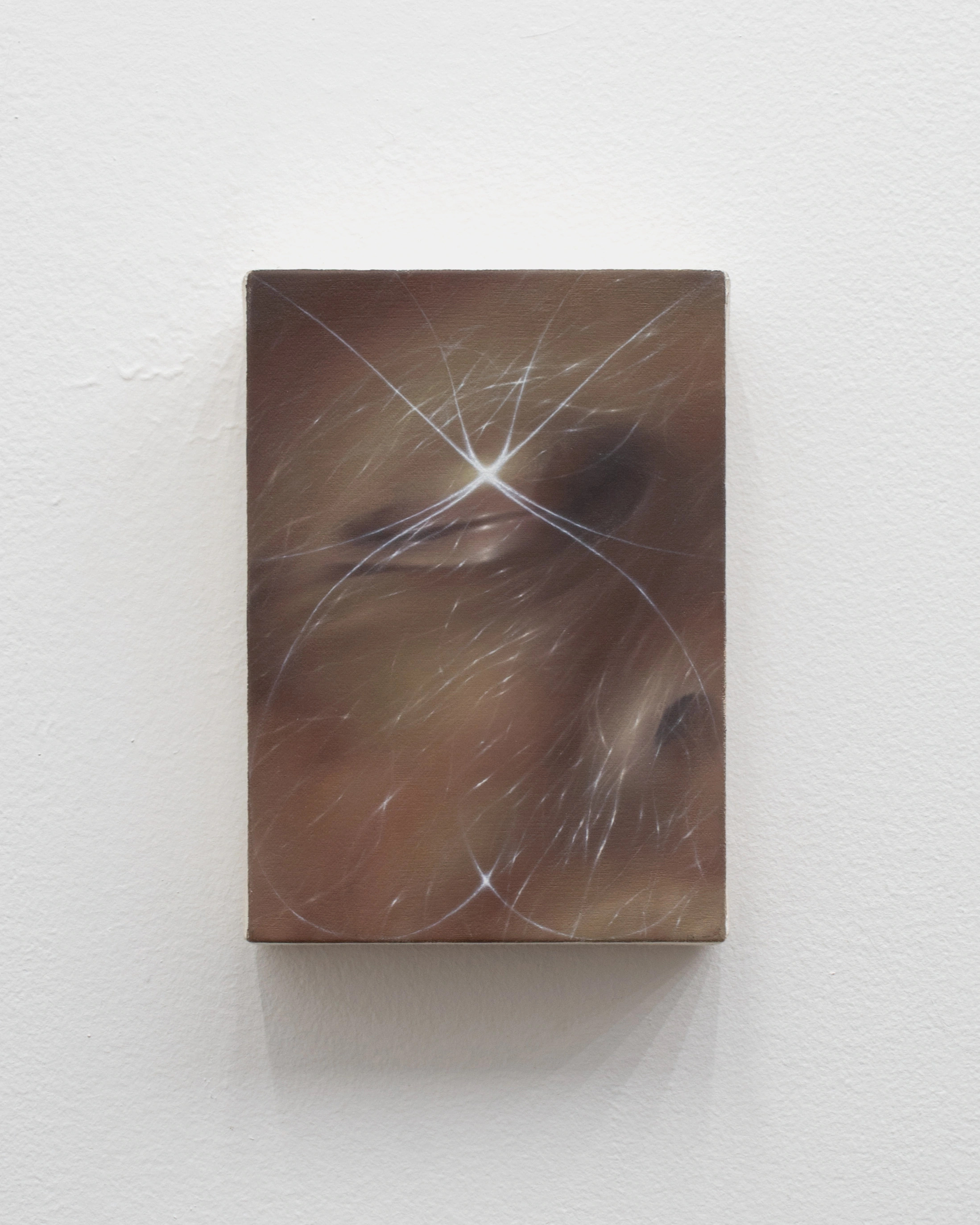
Moros, born in Miami, can spend years gathering references for her paintings: Victorian-era prosthetics, the shedding of reptilian skins, the pollination of orchids. Trained in graphic design, she works part-time as a florist. Her approach, she says, runs “more through the lens that all bodies are modified”. The prosthesis, the sloughed skin, the pollinated orchid: none is a sealed organism, and none pretends to be.
Her titles, mostly Spanish and mostly lowercase, carry a quieter theology. One canvas is called escapulario ajeno: someone else’s scapular, the devotional cloth worn against the body, a stranger’s faith resting on your chest. Tocaya names a woman who shares your name. Then come dulce compañia, sweet company, and el estar o no estar / skin song, Hamlet’s question bent toward estar, the Spanish verb for passing states, not essence. Each is a small treaty about sharing, and each concedes that what is shared was never wholly yours.
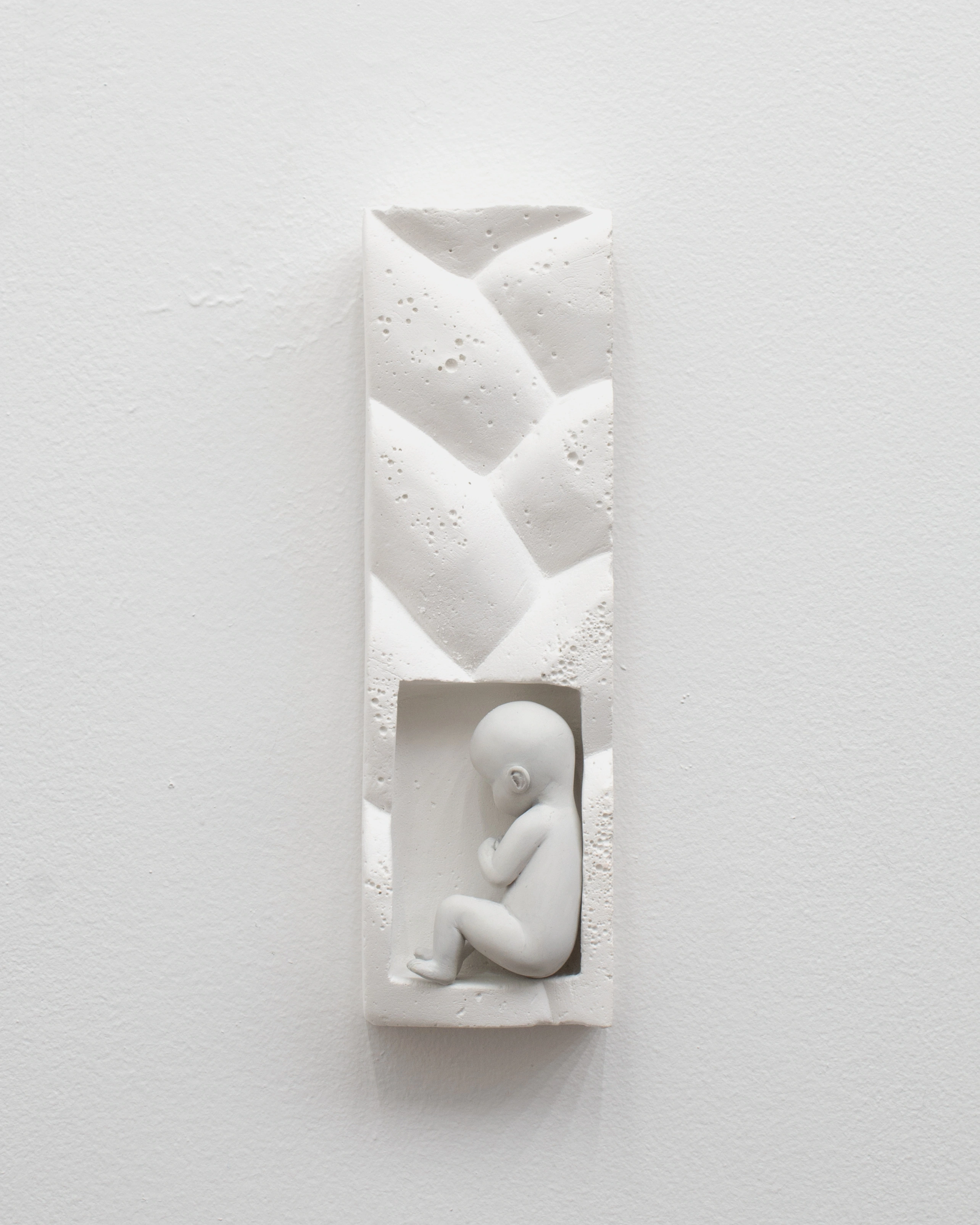
The exhibition text, written by Catherine Mary Camargo, wonders which of the pair plays mother and which plays child. Biography cannot decide it: both were born in 2000, both studied at the University of Miami, and no generation stands between them. The one work that carries both names, Old Gods / Braids, in plaster and epoxy clay, answers otherwise. A braid makes one length out of several strands without dissolving any of them: the common skin as adults can bear it, joined and still separately counted.
The same writer’s poem for the two artists carries the fantasy out of the nursery, toward a sister met only the day before, and near its close arrives at “One continuous skin, between herself, her future and past child, the one she lost or might, and the girl whose note she kept”. Here the shared skin is chosen rather than born into. That is a harder idea than Anzieu’s, because nothing obliges it to end.
The room keeps a contradiction open. A self needs its own skin, and this work could only be made by people who have one: separate hands sanding a clay doll’s fingertips, separate hands spending hours on the light across fleshy gums. Yet the works are built to take on projection, finished in part by whoever stands before them, as Fried feared. Bilbao’s orphans and Moros’s modified bodies are envelopes that have failed just enough to let someone in.
Not a union, then, but a weaning, performed in public and in duplicate. Every skin begins as a common one; growing up is the slow work of making it private. What Bilbao and Moros share is a refusal to finish the job.