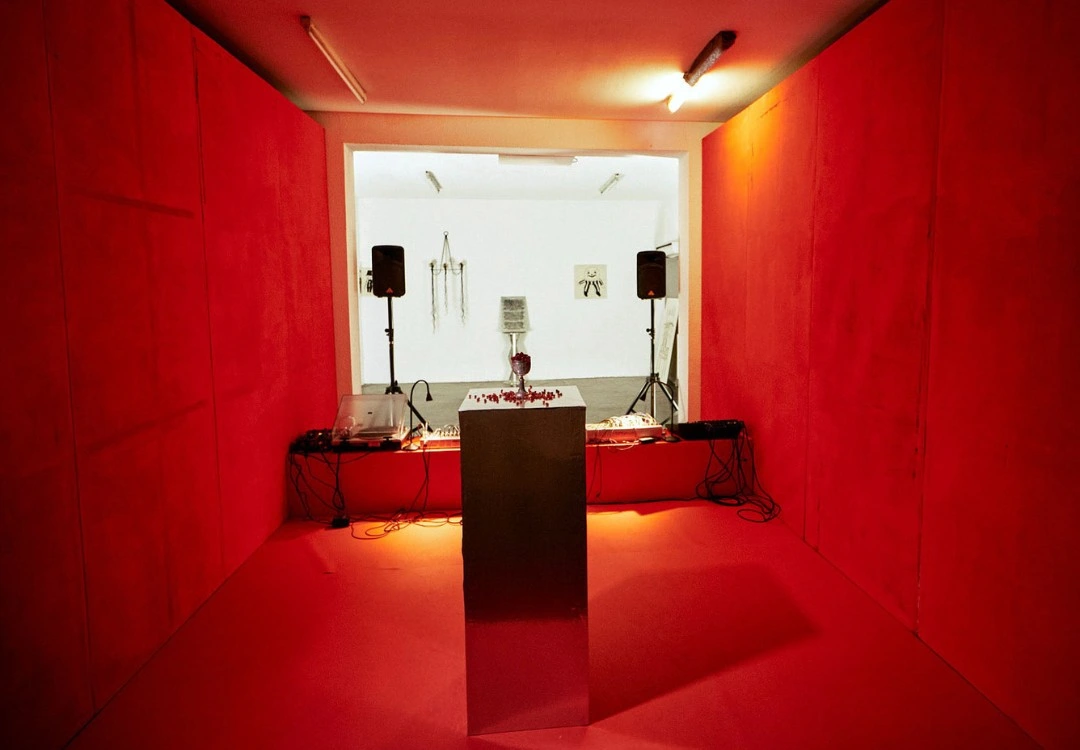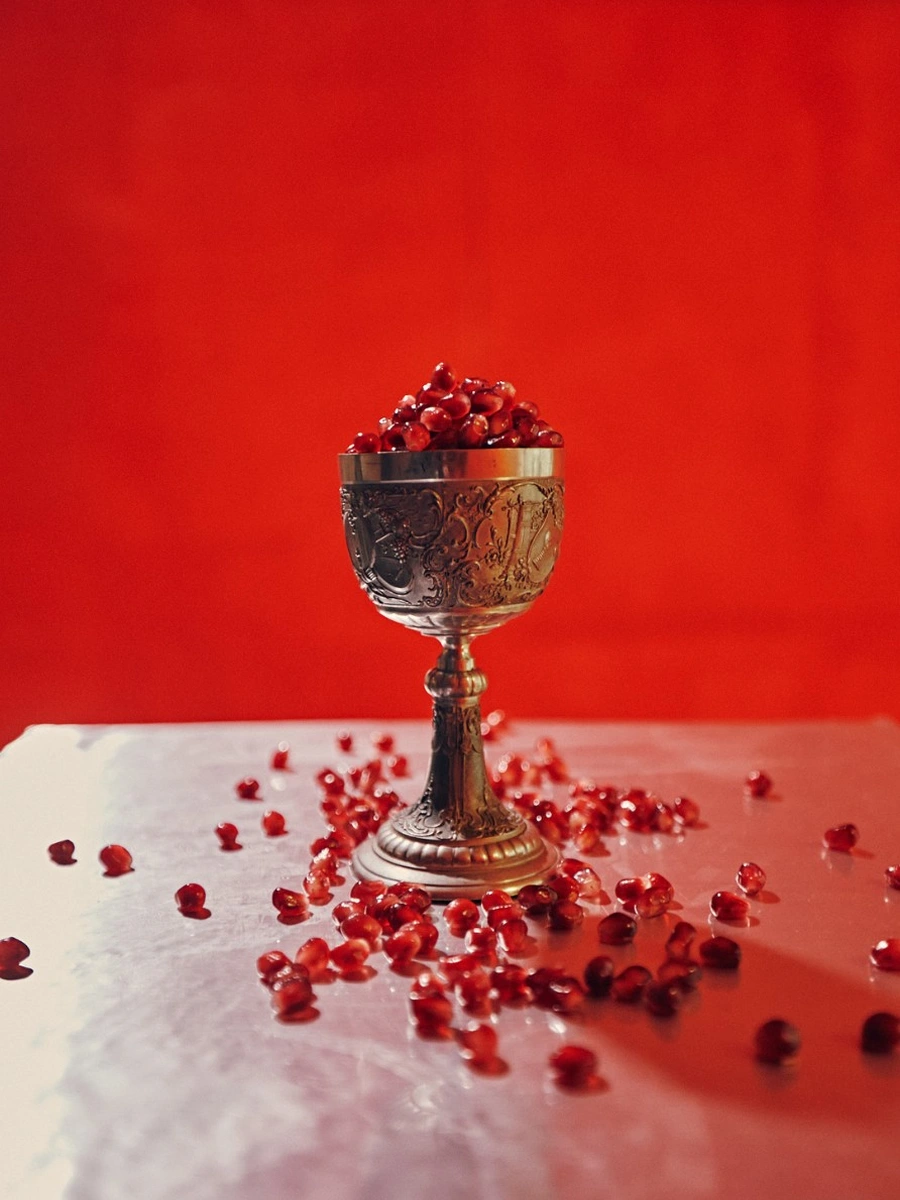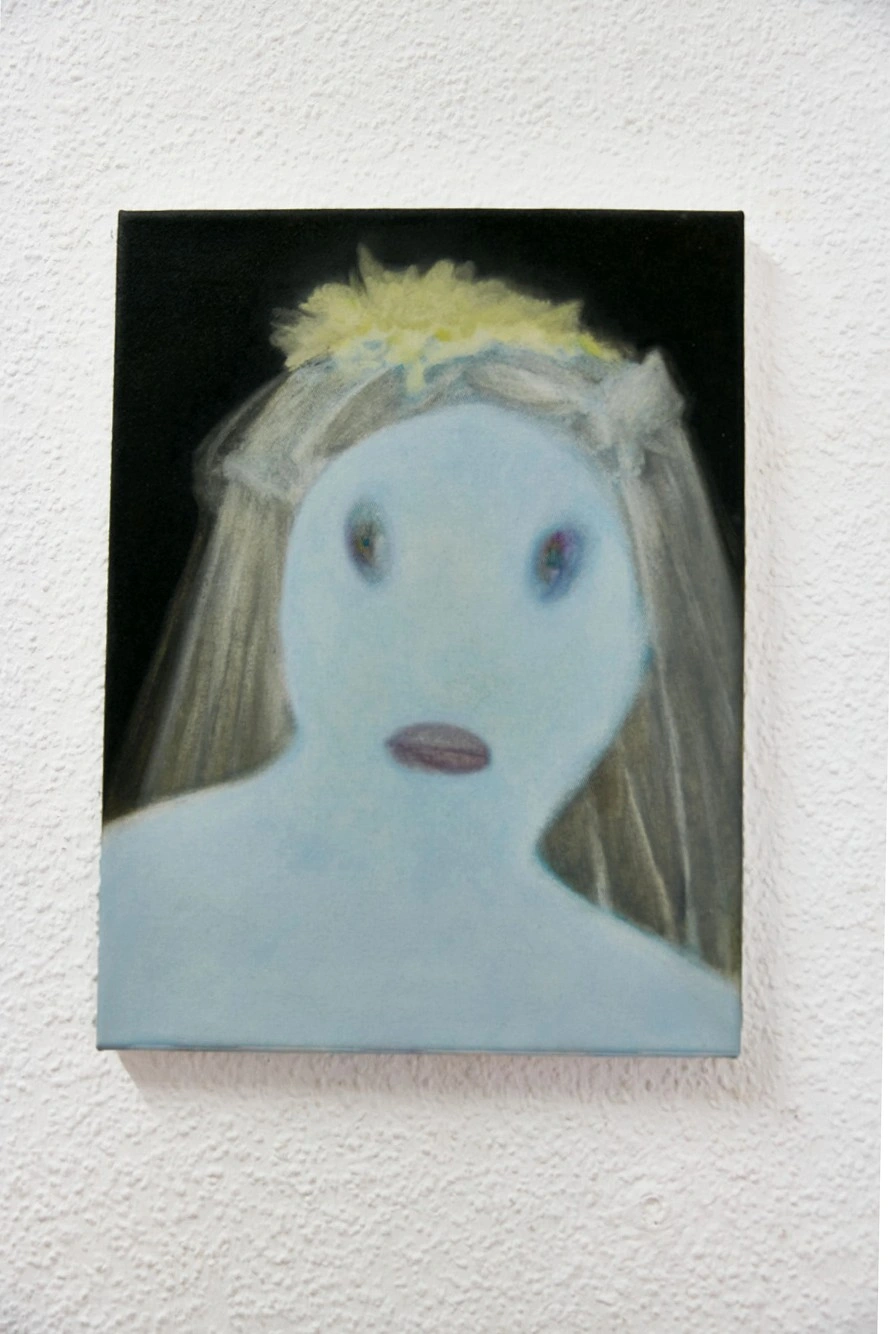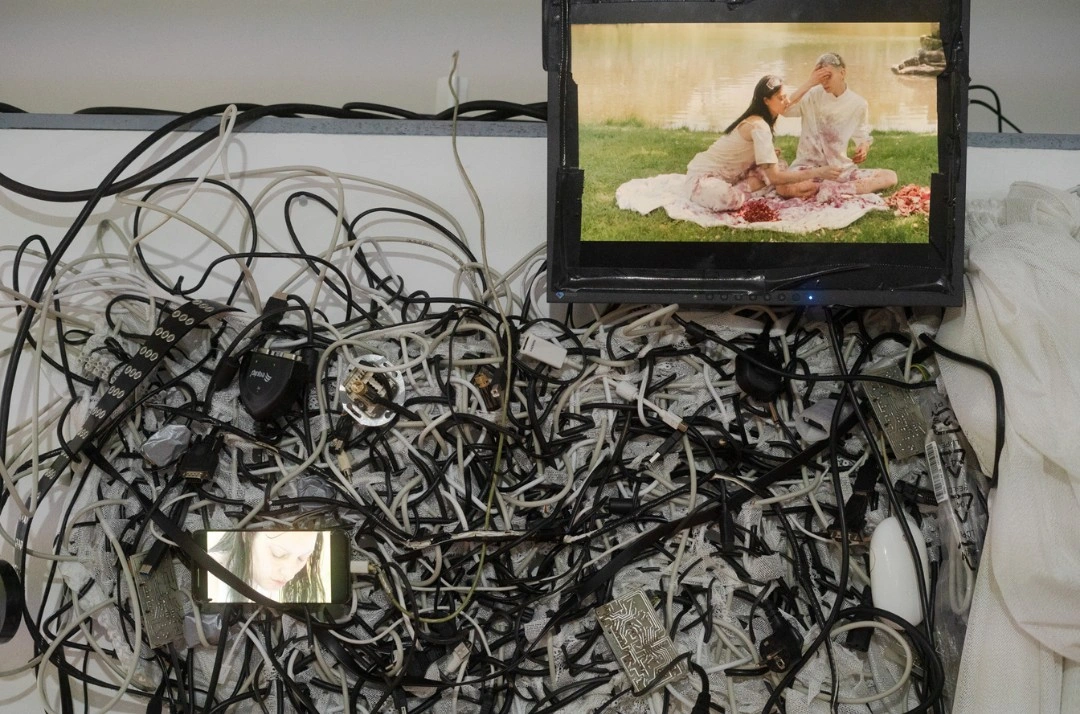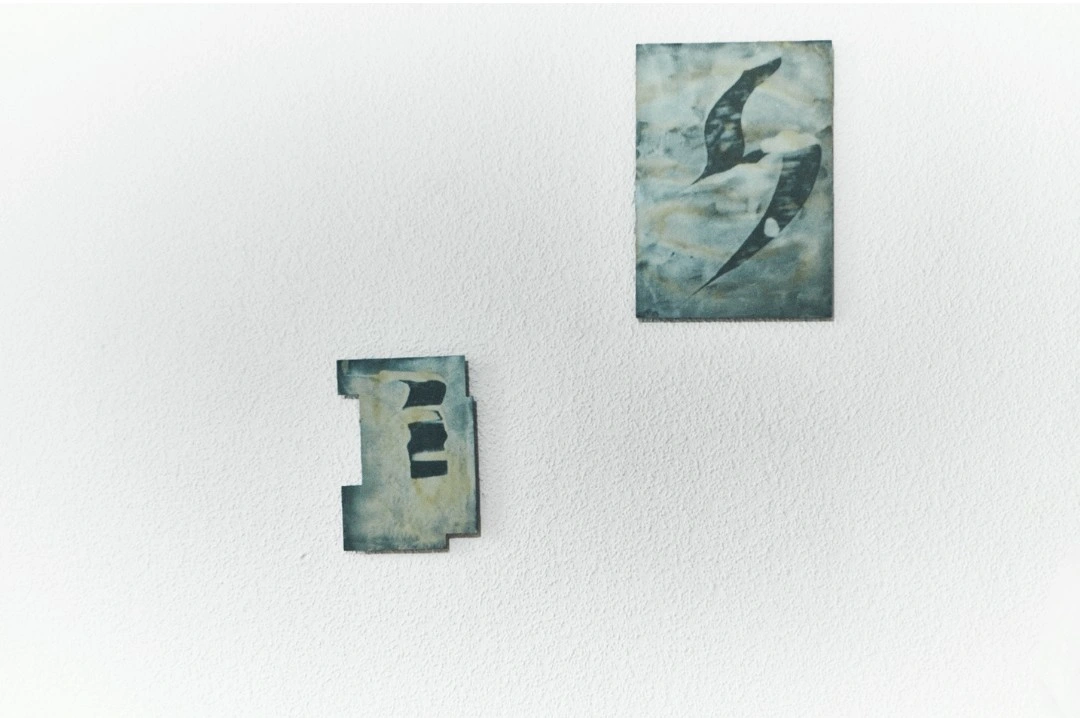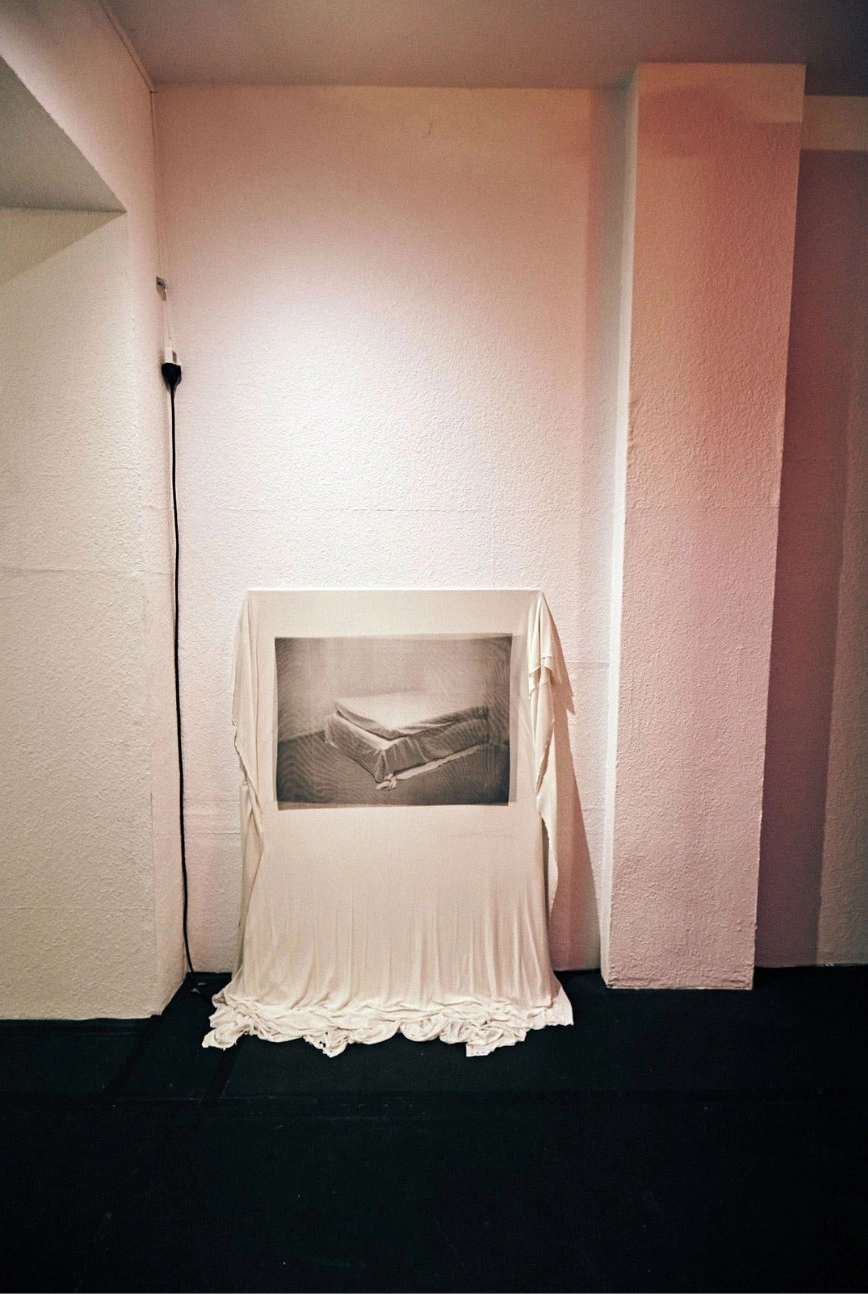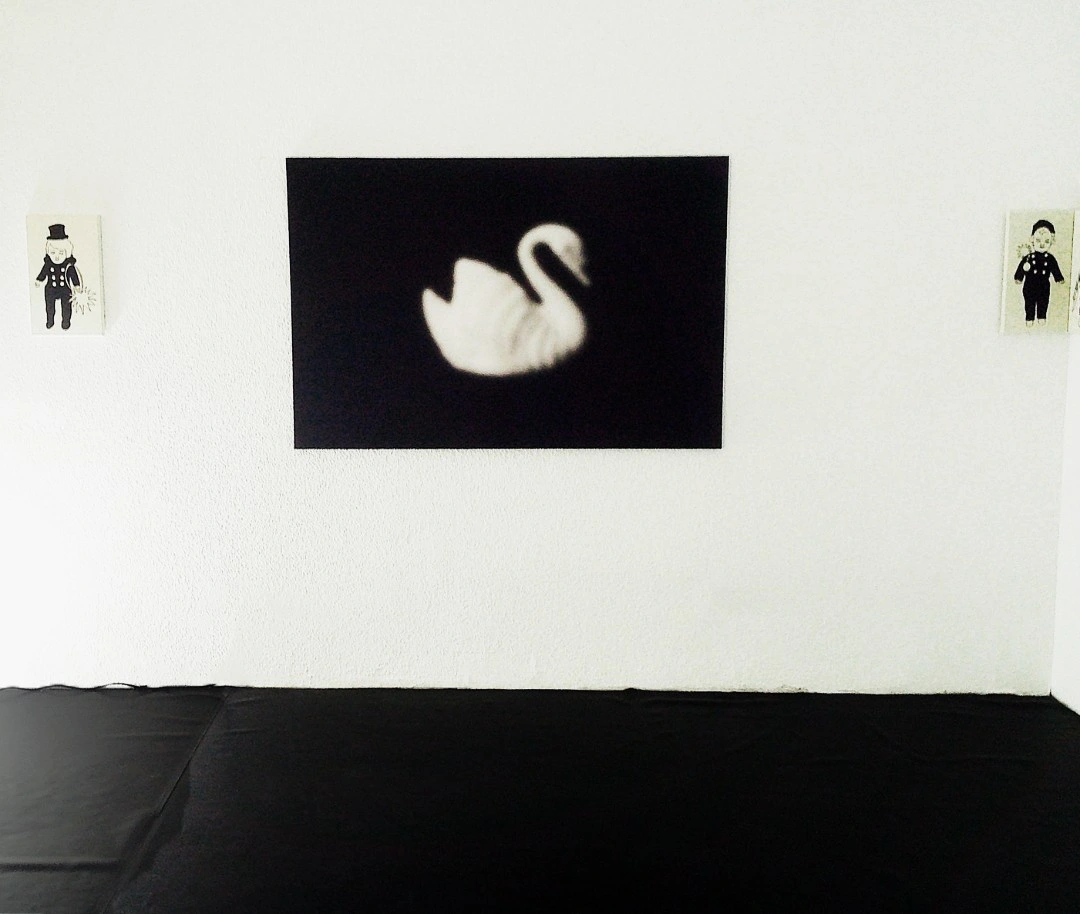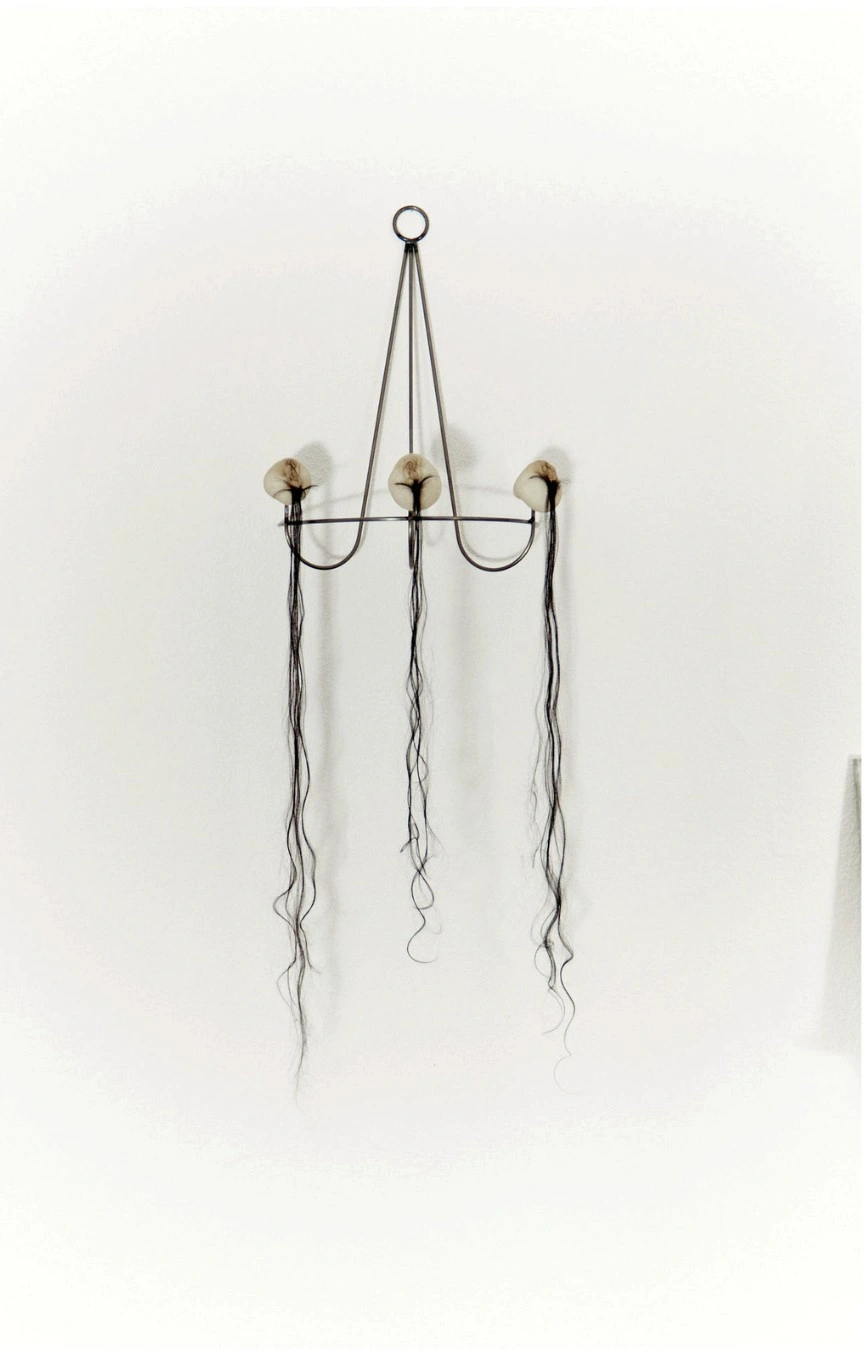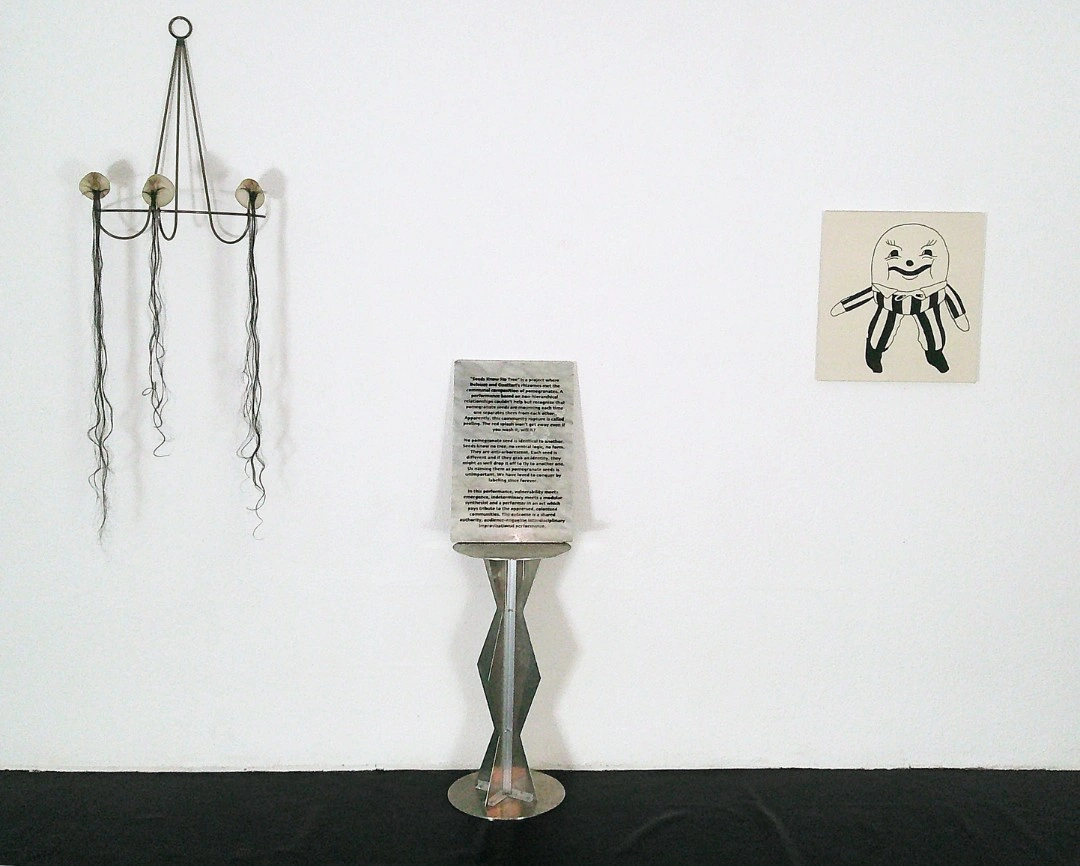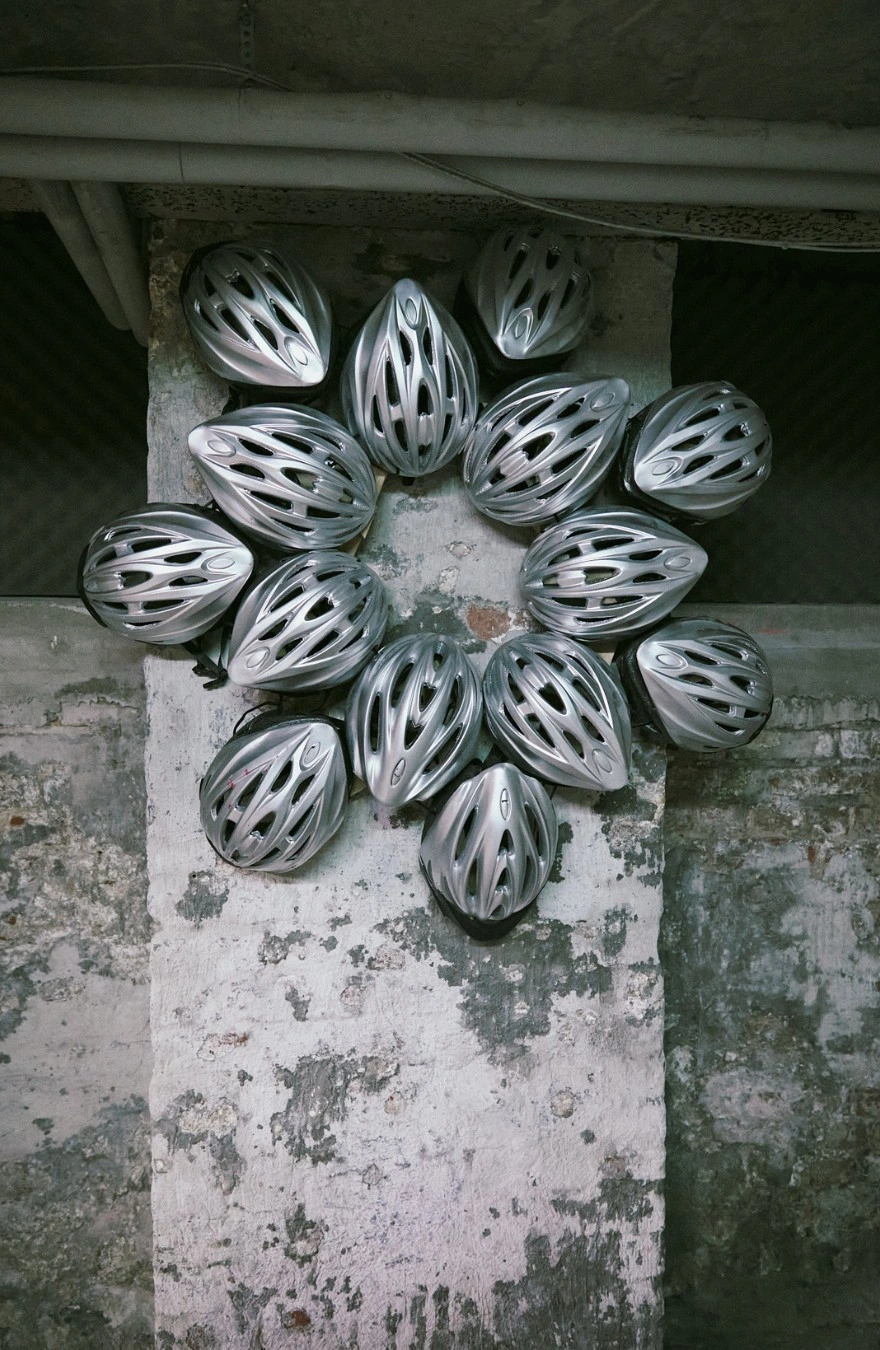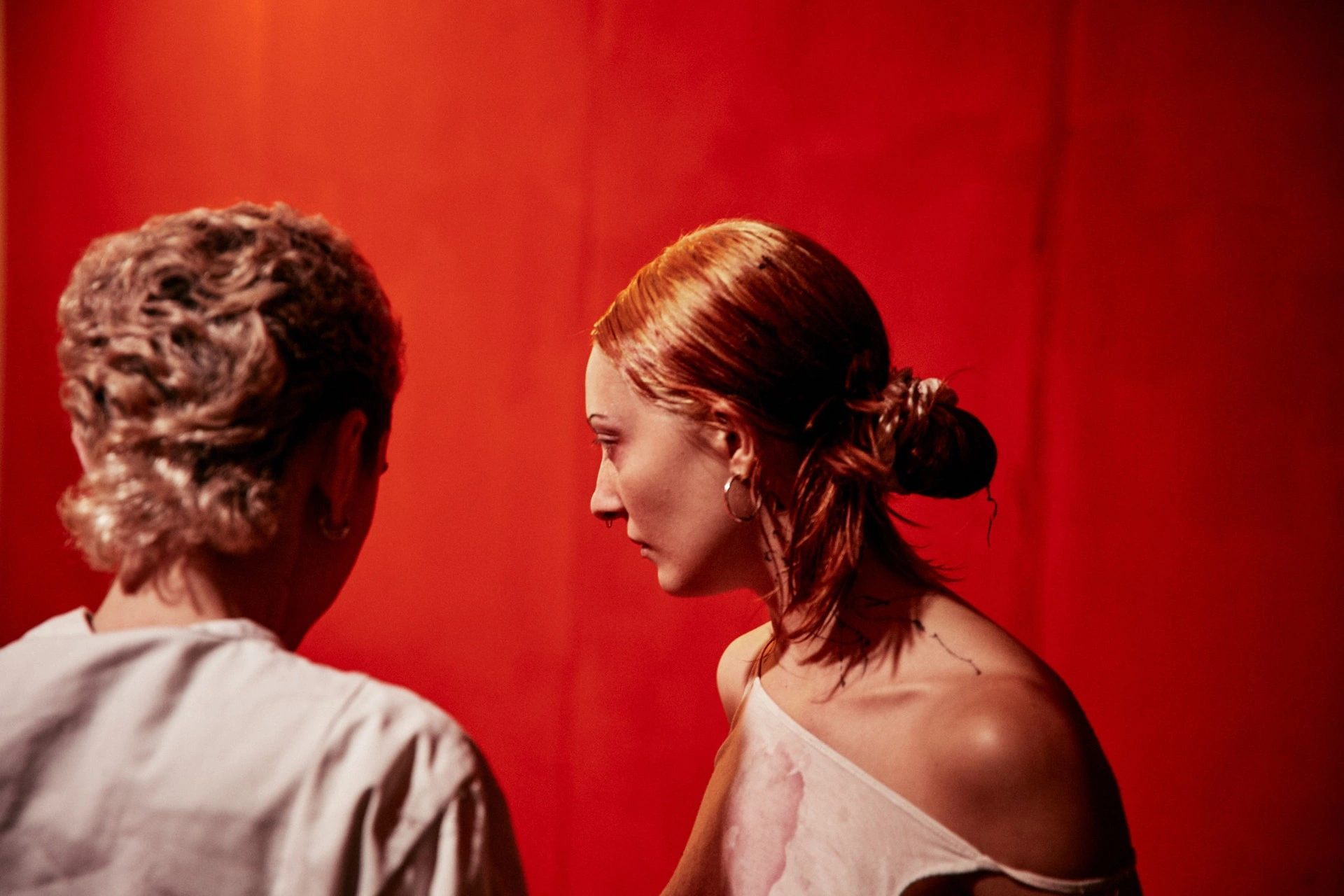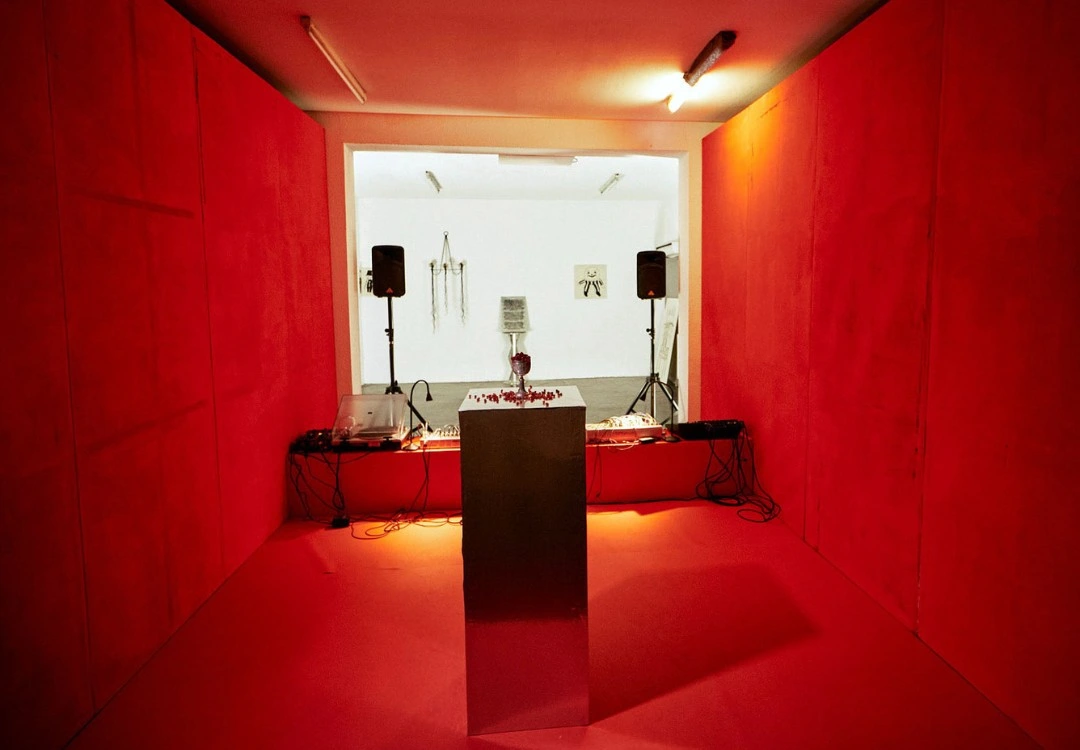
A pomegranate is not a symbol here but a method: a single body holding hundreds of seeds, none identical, none obeying a trunk. This is the governing image of “Seeds know no tree.”, the interdisciplinary performance and exhibition curated by Erifyli Theofilou at New Fears Gallery in Berlin, with fourteen artists and a curatorial text by Kapno.
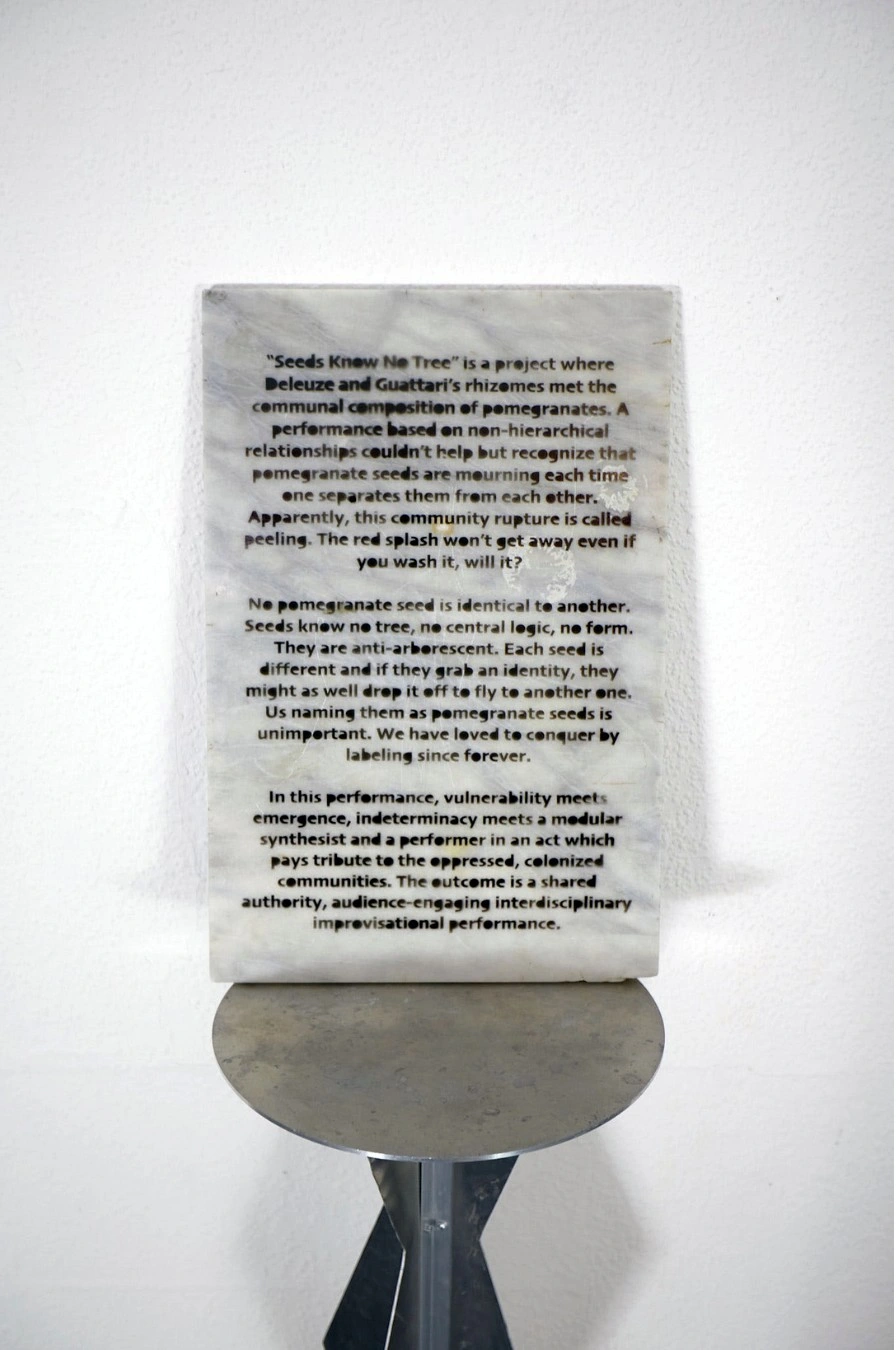
The premise is stated as a wound. “A performance based on non-hierarchical relationships couldn’t help but recognize that pomegranate seeds are mourning each time one separates them from each other,” the text reads, before turning the observation into a question you cannot answer cleanly: “The red splash won’t get away even if you wash it, will it?” Separation is the condition of the work, and it is treated as loss rather than as a neutral act of arrangement.
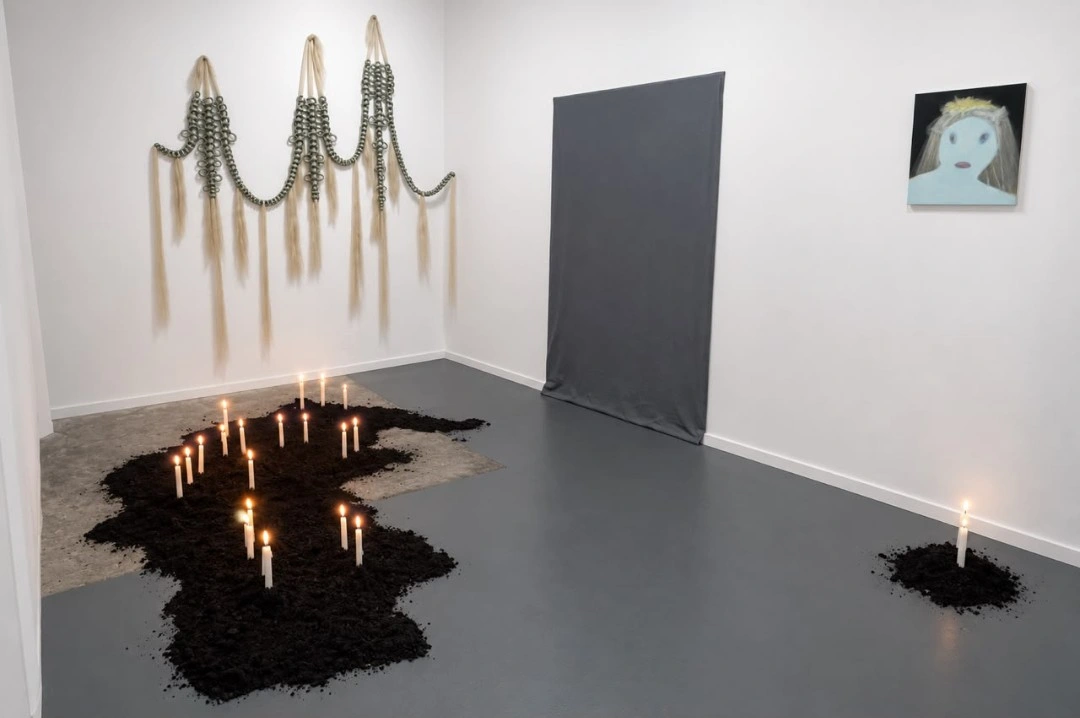
The gesture is borrowed openly from Gilles Deleuze and Félix Guattari, whose rhizome spreads sideways instead of up, but here the theory is composted into fruit. “Seeds know no tree, no central logic, no form,” the statement declares. Anti-arborescent: against the root, against the family tree, against the hierarchy a single stem imposes on everything it feeds. No seed is identical to another, and identity itself is held loosely; the seeds “are all different and if they grab an identity, they might as well drop it off to fly to another one.”
Naming is where the project locates the violence. “Us naming them is unimportant. We have loved to conquer by labeling since forever,” the text says, treating the impulse to name as the arborescent reflex, the will to sort a spill into a lineage. What the project offers instead is a field of relations with no privileged term, no first cause, no trunk from which the rest descends.
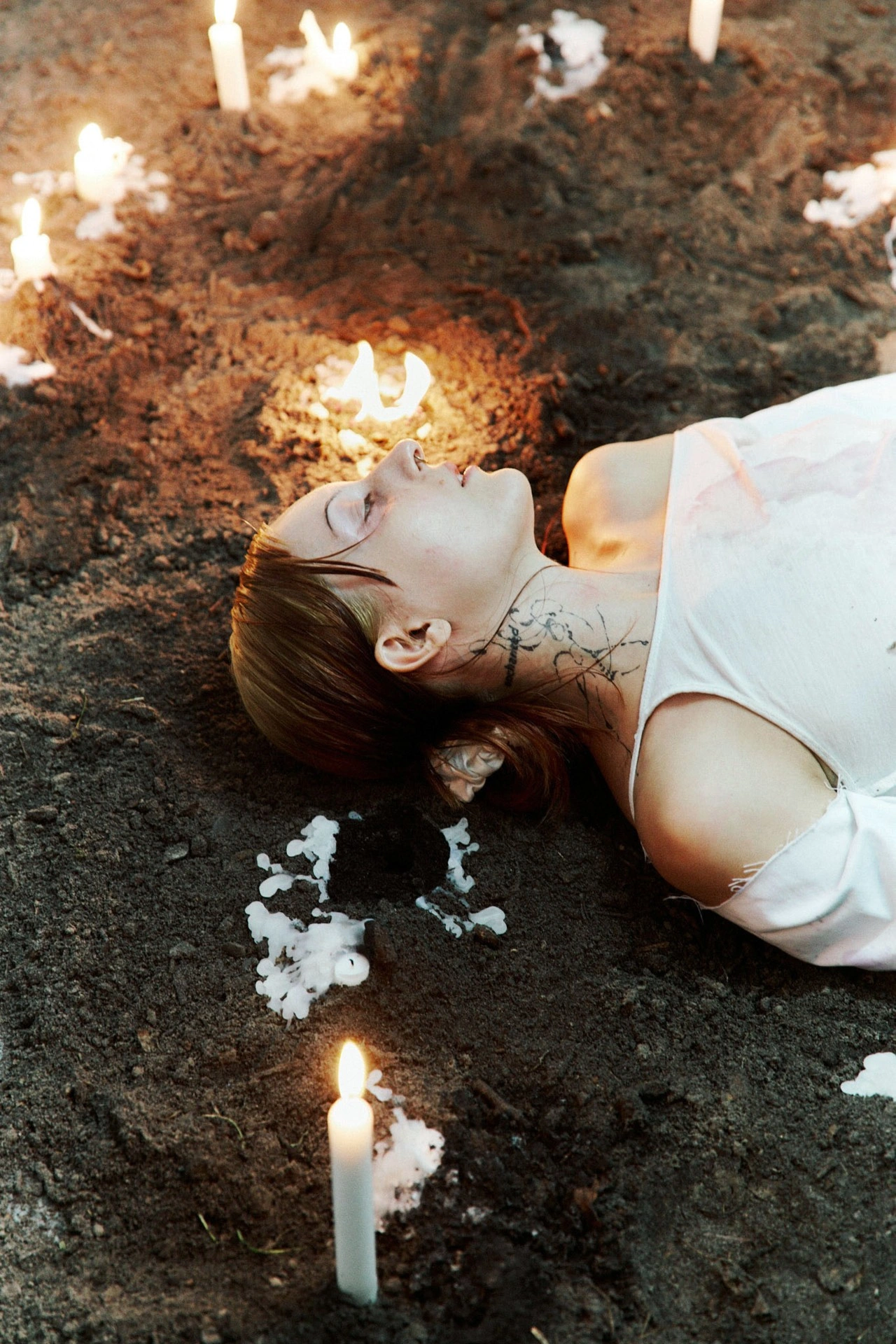
That refusal extends to how the performance is made. The performers put chance operation procedures to the forefront “in order to surprise themselves, knowing as much as the audience about what’s to follow, breaking the hierarchies between them.” A modular synthesist and a performer meet inside an indeterminacy neither controls. “Vulnerability meets emergence, indeterminacy meets a modular synthesist and a performer in an act which can only be attended live,” the statement offers, and the line between maker and watcher goes soft into a shared authority.
Liveness is the argument. “After all, liveness is the barrier to the exponentially increasing alienating policies,” the text insists, and the claim is more than atmospheric: the outcome is described as “a shared authority, audience-engaging interdisciplinary improvisational performance,” a thing that cannot be streamed into meaning because it depends on bodies present in a room, agreeing not to know what comes next.
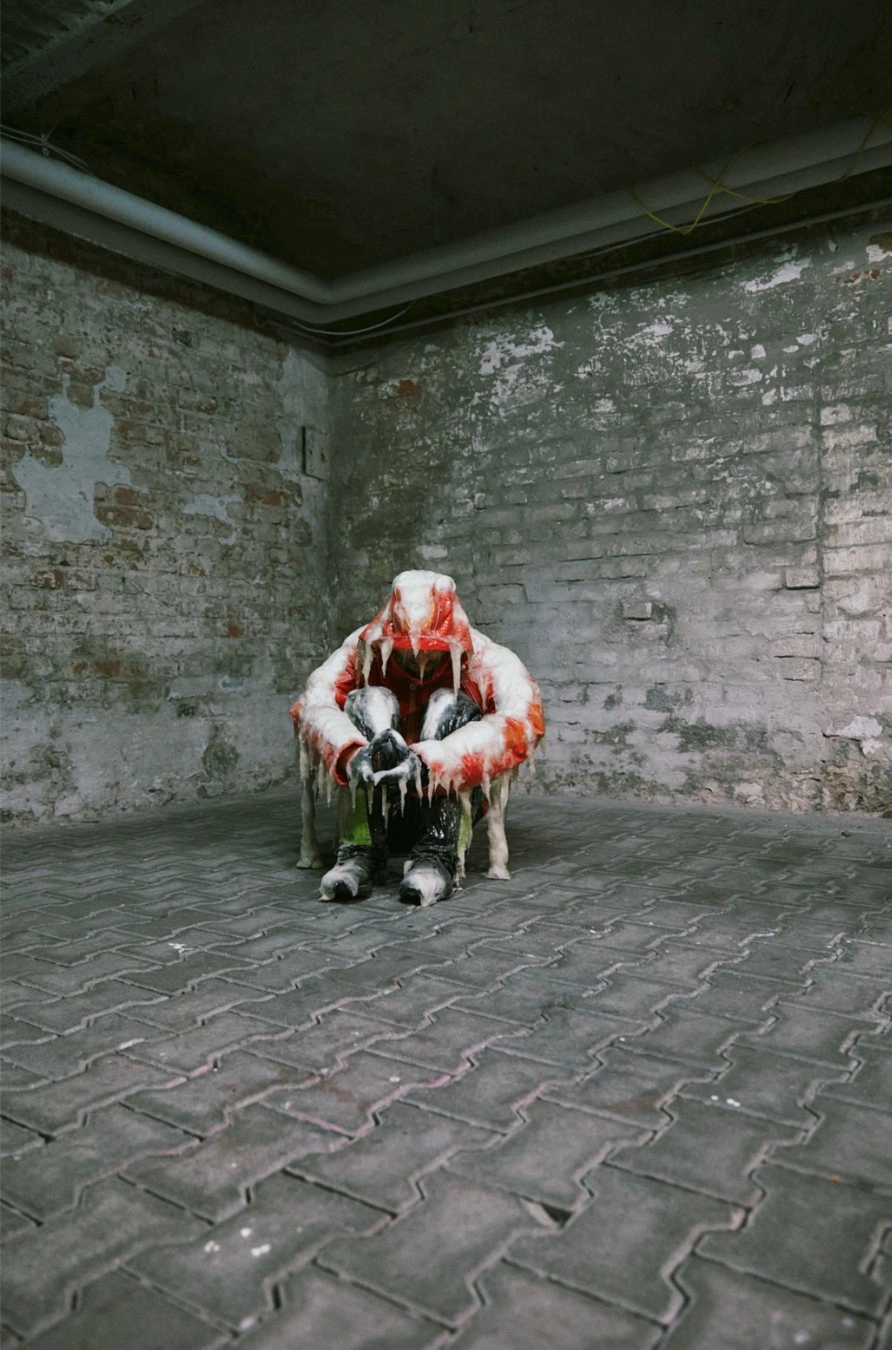
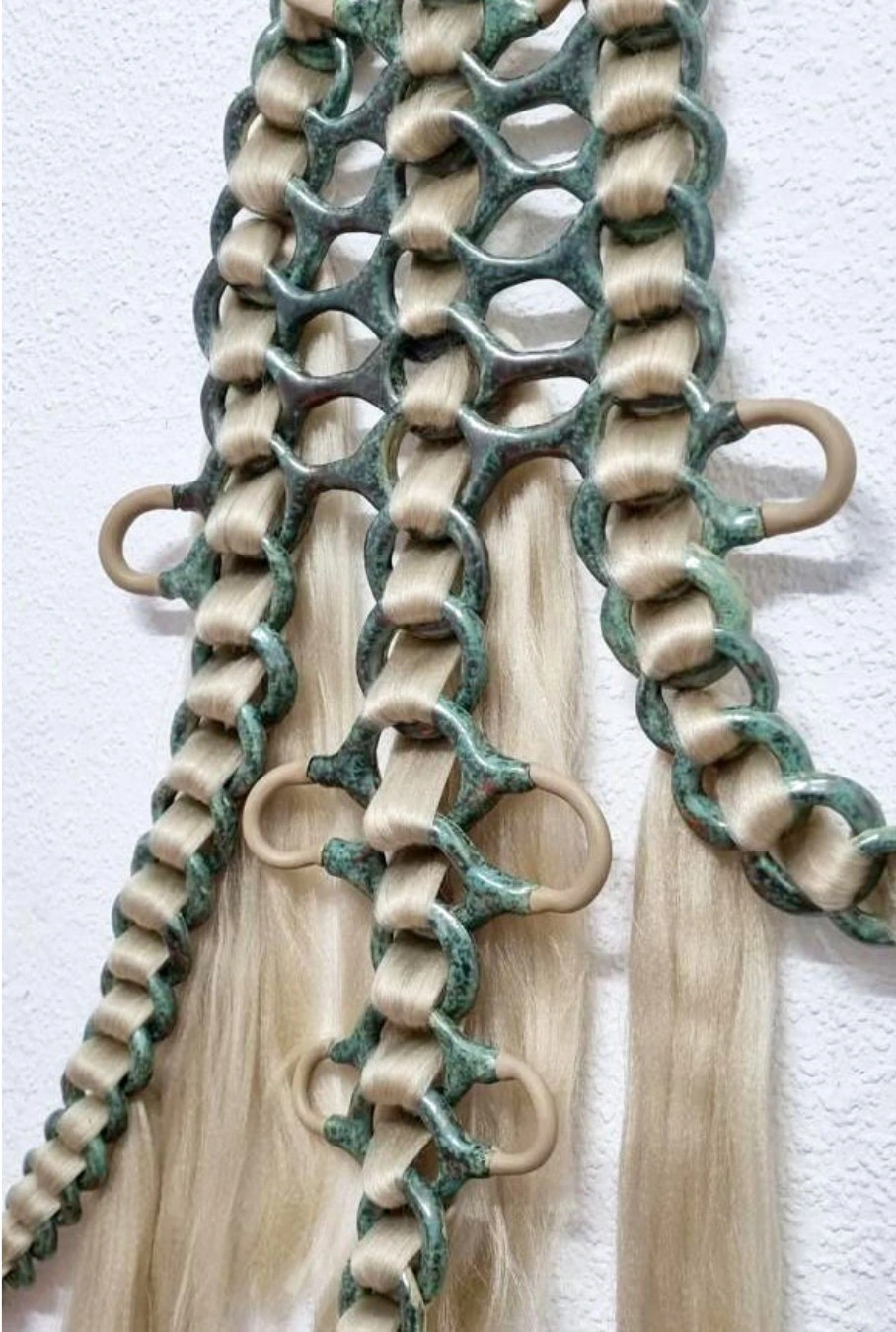
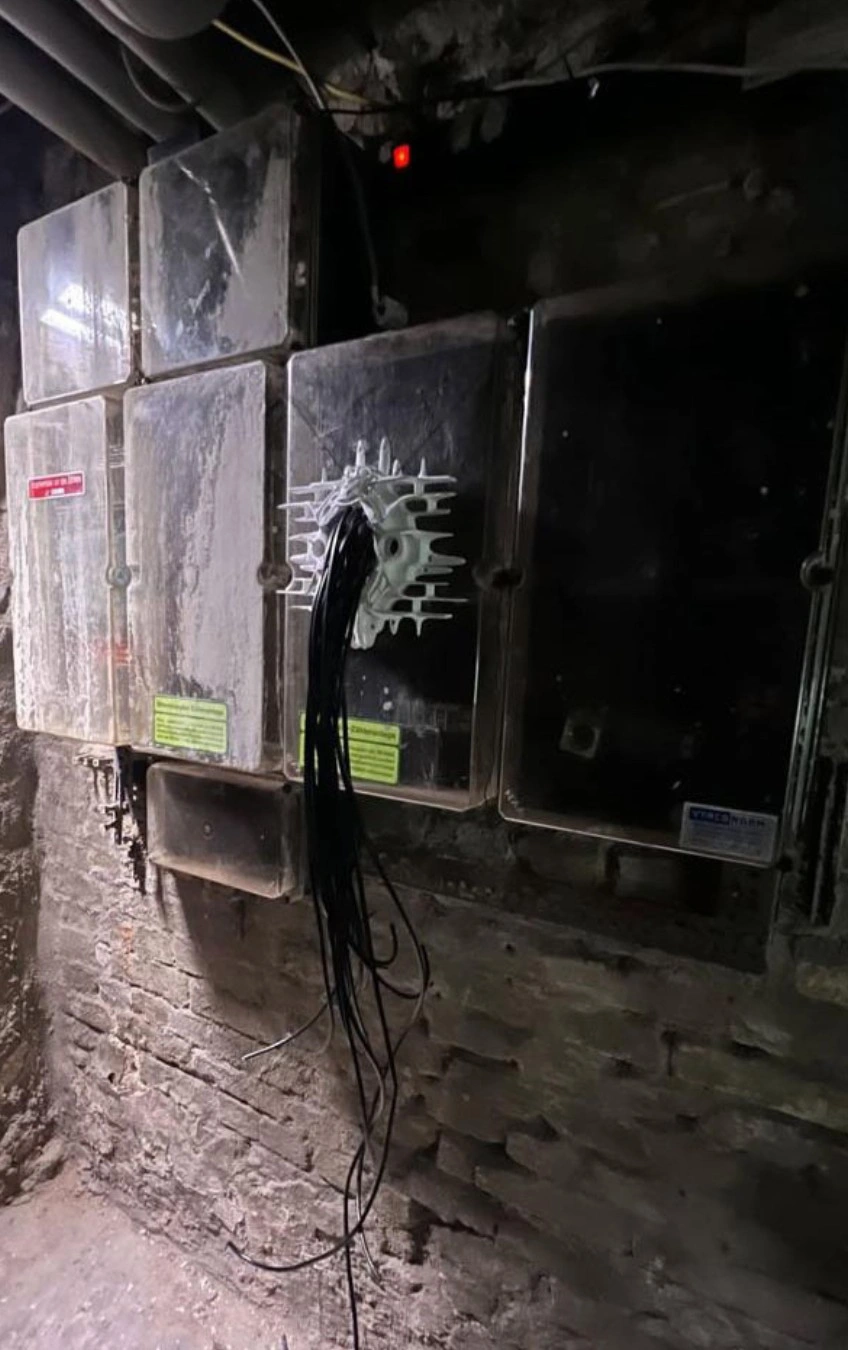
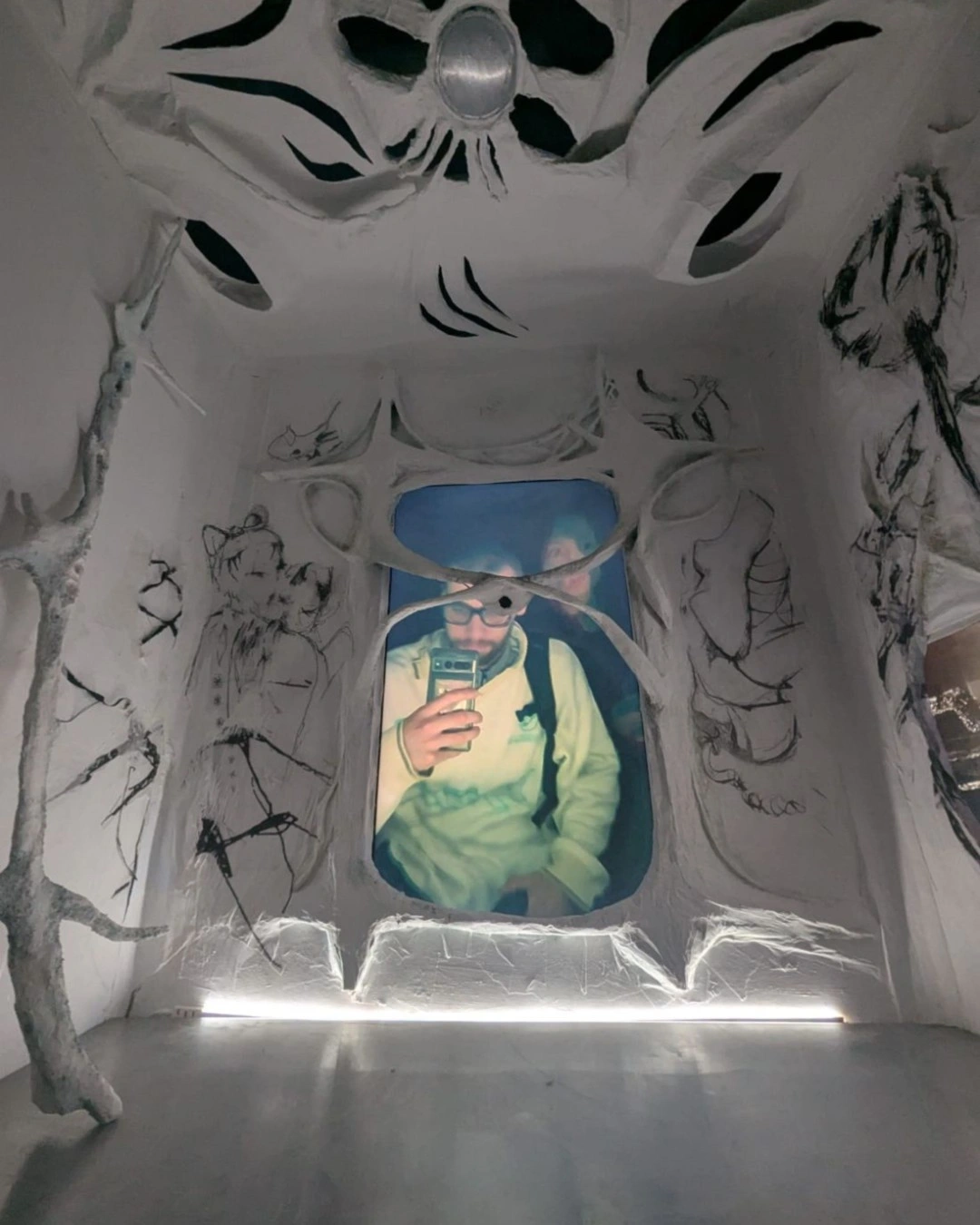
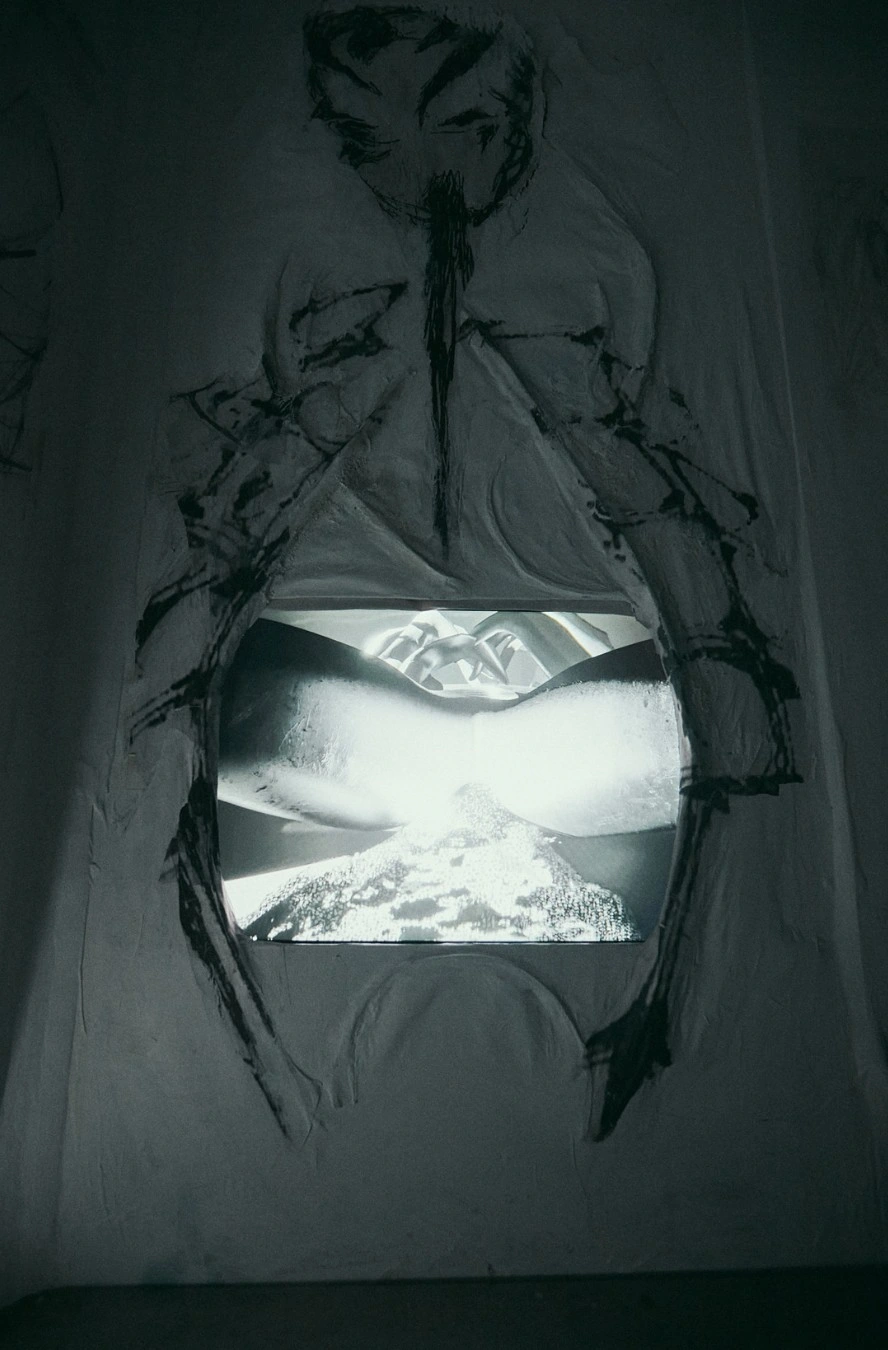
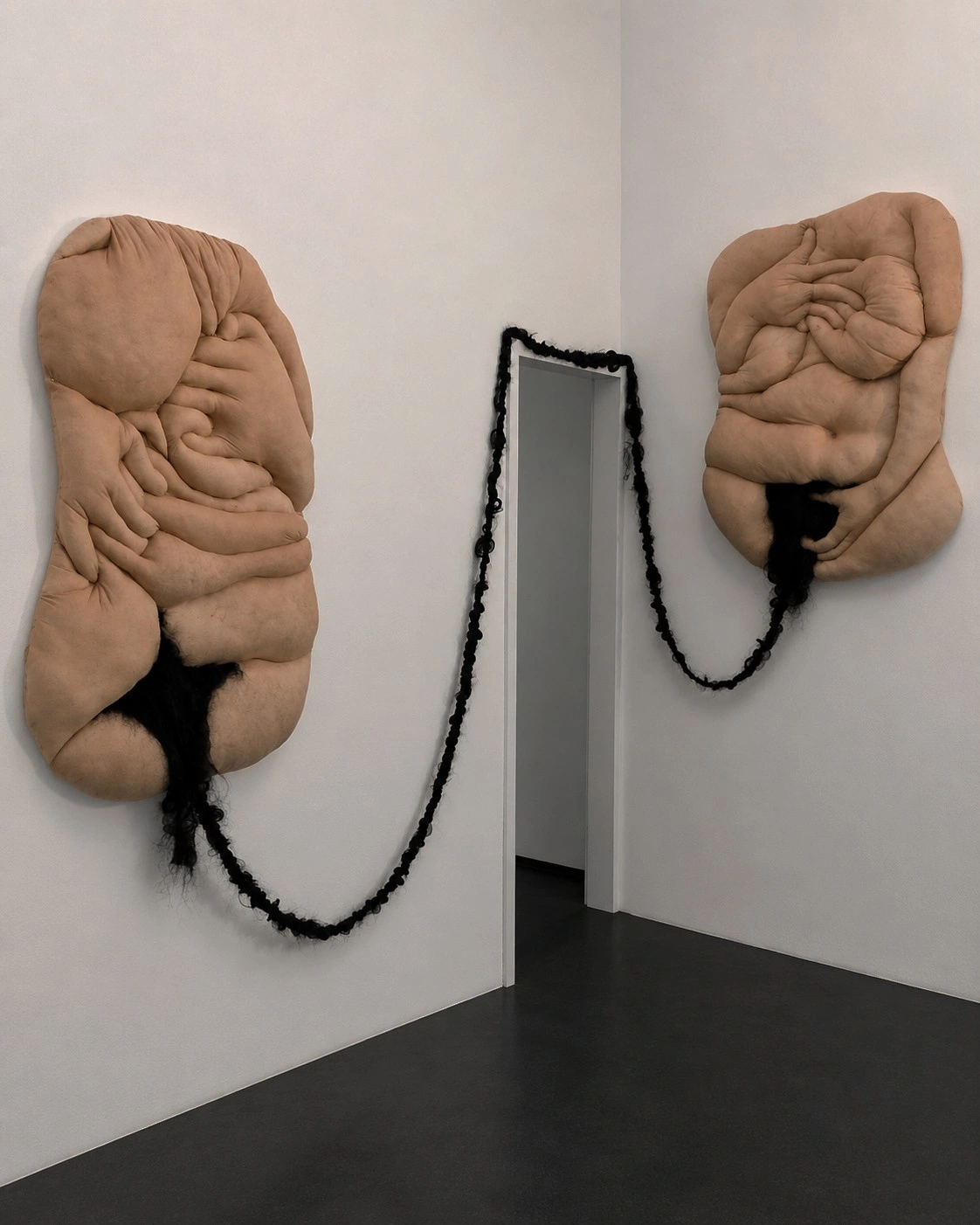
Central to the project is the role of set design, and the text is candid about the ambition behind it. Drawing on Allan Kaprow’s reading of Jackson Pollock, Kapno recalls that Pollock’s tragedy “was that he wanted to make pieces larger than him because he wanted to expand his art towards all directions.” Everyday life, spatial configuration, the artist’s own body: Pollock wanted the work to leak past its frame. So the team lets the set bleed into “an exhibition that has no central artwork,” a garden of objects with no gardener at the middle giving orders.
So the seeds stay scattered and no one moves to sort them. Not a healing, but a refusal to forget that separation hurts. Not a family tree, but a spill that will not wash out.
Artists: Lola Machabert, Hannah Borghese, Zu Kalinowska, Eloise Harcourt, Eva Patramani, Solveig Schmid, Delphine Wigger, Andrea Mineo, Melis Kazan, Jana Convent, Erifyli Theofilou, Valia Lolidou, Kapno, Aurora